8 April 2026
Pressure Washing Safety Tips: How to Protect Your Home and Yourself
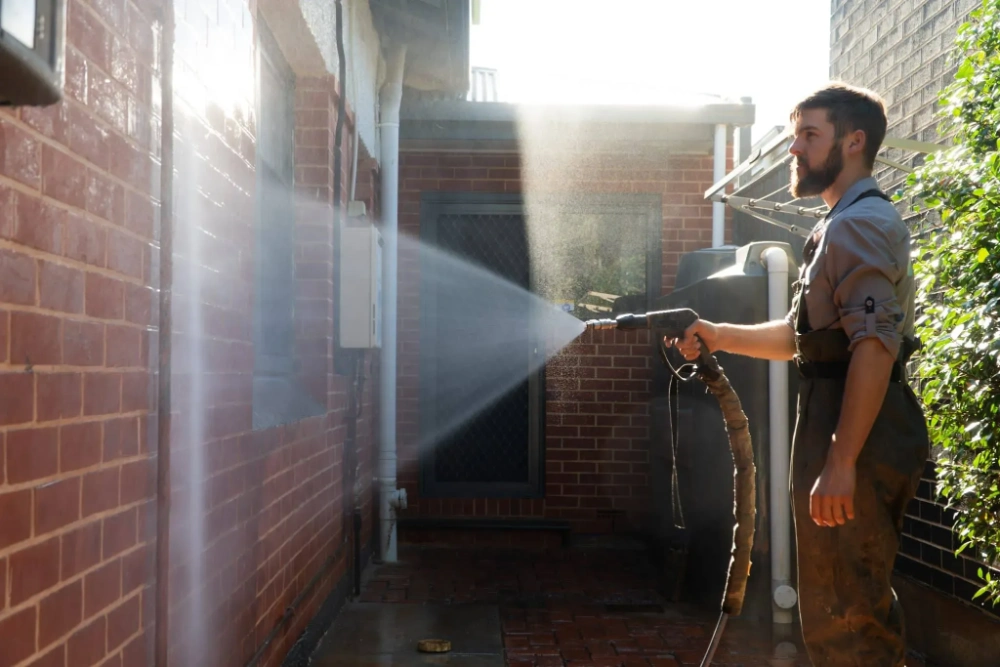
Pressure washing can completely transform the exterior of your Adelaide home. From driveways and patios to walls, fences, and even roofs, the difference can be dramatic. But one wrong move can quickly turn a simple clean into costly damage. Whether you are tackling the job yourself or thinking about bringing in a professional, understanding how to do it safely is what separates a great result from an expensive mistake.
High pressure water is far more powerful than most people expect. It can strip paint, damage surfaces, and cause serious injury in seconds if used incorrectly. Taking a few extra precautions before you start can make all the difference. Before you fire up that machine, these safety tips will help you protect both your property and yourself, with guidance from Surface Rescue, Adelaide’s trusted experts in safe and professional exterior cleaning.
Why Pressure Washing Safety Matters
A pressure washer can deliver water at pressures exceeding 3,000 PSI. That’s enough force to slice through skin in a fraction of a second. Beyond personal injury, incorrect use can crack render, force water under cladding, damage windows, and turn a simple cleaning job into an expensive repair bill.
Adelaide’s mix of surfaces, from delicate heritage brickwork to modern composite materials, requires the right approach. Using excessive pressure or the wrong technique doesn’t just risk damage but can void warranties and create long-term problems like water ingress or structural weakness.
Essential Safety Gear You Must Wear
Before starting any pressure washing job, proper protective equipment is non-negotiable. Safety glasses protect your eyes from flying debris and high-pressure water spray. Gloves shield your hands from chemicals and reduce vibration fatigue during extended use.
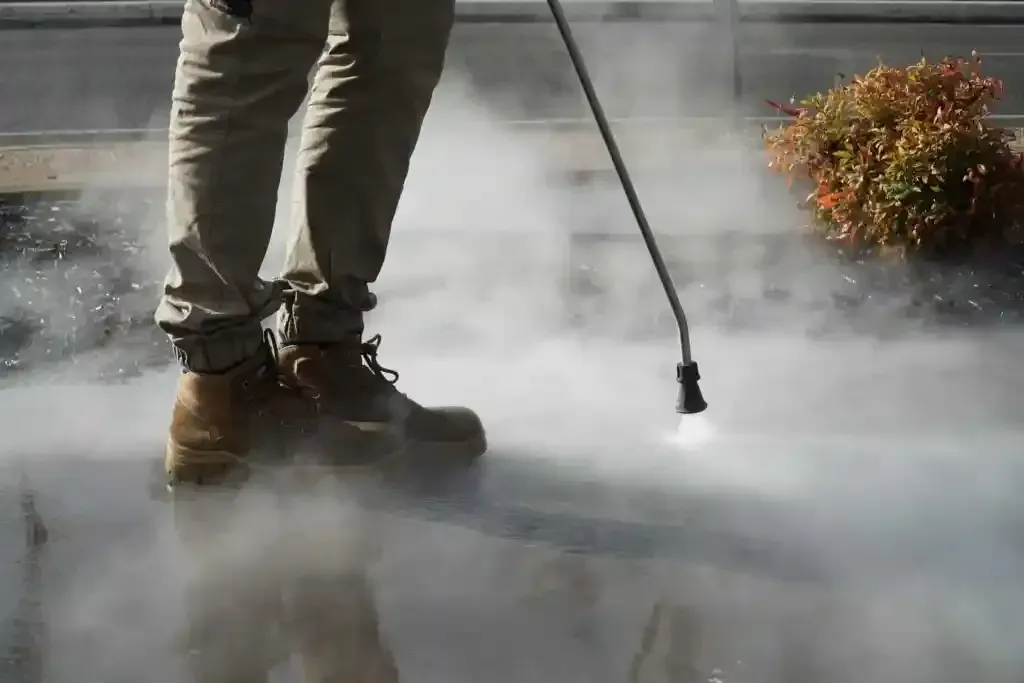
Wear closed-toe, non-slip boots with good tread. Pressure washing creates slippery conditions, and maintaining stable footing is necessary when operating powerful equipment. Long sleeves and pants protect your skin from accidental spray and chemical splashback.
If you’re using a petrol-powered unit, ear protection is essential. These machines can exceed 85 decibels, and prolonged exposure without hearing protection causes permanent damage.
Choose the Right Pressure and Nozzle
Not all surfaces can handle the same pressure levels. Concrete driveways can withstand high pressure, but timber decking, painted surfaces, and weatherboards require a gentler touch. Starting with the lowest pressure setting and gradually increasing prevents accidental damage.
Choosing the right nozzle is just as important as the pressure itself. A narrow, concentrated spray can be too harsh for most areas around your home and may cause damage if you are not careful. For general cleaning, a wider spray is usually the safer option, especially on more delicate surfaces. When working on tougher areas like concrete or pavers, you can use a slightly more focused spray, but it is always best to start gentle and adjust as needed.
For many Adelaide homes with rendered exteriors or older brickwork, soft washing is safer than high-pressure cleaning. This method uses lower pressure combined with specialised cleaning solutions to remove grime, mould, and algae without surface damage.
Maintain Safe Distance and Technique
Keep the nozzle at a safe distance from the surface you are cleaning. Getting too close might seem like it will clean faster, but it is one of the quickest ways to cause damage. When in doubt, start further back and move in slowly.
📖 People also read about:
Use smooth, steady movements and avoid blasting the same spot for too long. Think of it like painting. Even strokes give you a much better finish and help avoid streaks or patchy results. Working from top to bottom also stops dirty water from running over areas you have already cleaned.
Always keep the spray pointed away from people and pets, including yourself. Pressure washers are powerful tools, and a quick moment of carelessness can turn into a painful mistake.
Pro tip: Test a small, hidden area first before cleaning the whole surface. It is a simple step that can save you from some very expensive surprises.
Chemical Handling and Environmental Safety
If you’re using cleaning chemicals or detergents, read the labels carefully and follow dilution instructions precisely. Always wear chemical-resistant gloves when mixing or applying solutions. Some cleaners can irritate skin or cause respiratory problems if inhaled.
Choose eco-friendly, biodegradable products whenever possible, especially around garden beds and native plants. Adelaide’s water restrictions mean many homeowners collect and reuse water, so avoiding harsh chemicals protects both your property and the environment.
Never mix different cleaning products. Combining chemicals can create dangerous reactions, releasing toxic fumes or reducing cleaning effectiveness.
📖 People also read about:
Prepare Your Work Area Properly
Before starting, inspect the area thoroughly. Cover electrical outlets, light fittings, and any outdoor electrical equipment. Water and electricity create fatal combinations, so taking time to protect these areas is necessary.
Remove obstacles like toys, garden furniture, and pot plants. Clear paths reduce tripping hazards and make the job faster and safer. Check for loose cladding, damaged render, or cracked windows that high-pressure water could worsen.
Close all windows and doors. Even a small gap can allow water inside, potentially damaging flooring, walls, and furniture. Inform household members when you’re pressure washing so they don’t accidentally open doors or windows during the job.
Know When to Call Professionals
Some jobs are beyond DIY capabilities. Multi-storey homes, commercial properties, and surfaces requiring specialised knowledge are best left to professionals. Experienced operators have the training, insurance, and equipment to handle complex cleaning safely.
💡 Need help?
We offer professional commercial industrial exterior cleaning services to help you achieve your goals.
Adelaide’s heritage homes often feature delicate materials that need expert assessment. Pressure washing old limestone, heritage brickwork, or original timberwork without proper knowledge can cause irreversible damage. Professional services like Surface Rescue use soft washing methods that clean effectively without compromising structural integrity.
Working at heights adds another layer of risk. Roof cleaning, upper-storey windows, and elevated surfaces require proper safety equipment and training. One slip on a wet surface can result in serious injury or worse.
Protect Your Adelaide Property with Professional Care
Pressure washing might seem straightforward, but the difference between a sparkling result and costly damage often comes down to experience and proper technique. Understanding these safety principles helps you make informed decisions about tackling cleaning projects yourself or engaging professionals.
If you’re ready to restore your property’s exterior safely and effectively, Surface Rescue combines years of expertise with Adelaide-specific knowledge. Our soft washing and high-pressure cleaning services remove years of grime, mould, and stains without the risks of DIY approaches.
Don’t gamble with your property or your safety. Contact Surface Rescue today for a free assessment and quote. Call 0475 399 746 or visit surfacerescue.com.au to book Adelaide’s trusted surface cleaning experts.
FAQs
1. Is pressure washing safe for all exterior surfaces?
No, high pressure can damage delicate materials like timber, painted surfaces, roof tiles, and old brickwork. Always adjust the pressure, use the correct nozzle, and test a small area first to avoid costly damage.
2. What safety precautions should I take when using a pressure washer?
Wear protective gear such as gloves, safety glasses, and non-slip footwear. Keep the spray away from people, pets, electrical fixtures, and windows, and maintain a stable stance to prevent slips or injuries.
3. Can pressure washing cause water damage to my home?
Yes, if used incorrectly. Spraying upward under siding, into vents, or around seals can force water into walls and roof cavities. Use proper angles, moderate pressure, and keep a safe distance to protect your home from moisture intrusion.
Recent Post
 How to Clean Exterior Brick Walls: A Step-by-Step Guide
Brick walls add character and charm to Adelaide homes, but years of exposure to our harsh Australian sun, rain, and
 How Long Will Concrete Resurfacing Last? A Complete Guide to Durability and Maintenance
If you’re thinking about concrete resurfacing for your Adelaide home, it’s natural to wonder whether it’s truly worth the investment.
 How to Clean Exterior Walls Before Painting Adelaide
If you’re planning to refresh your Adelaide home’s exterior with a new coat of paint, there’s one step you can’t