
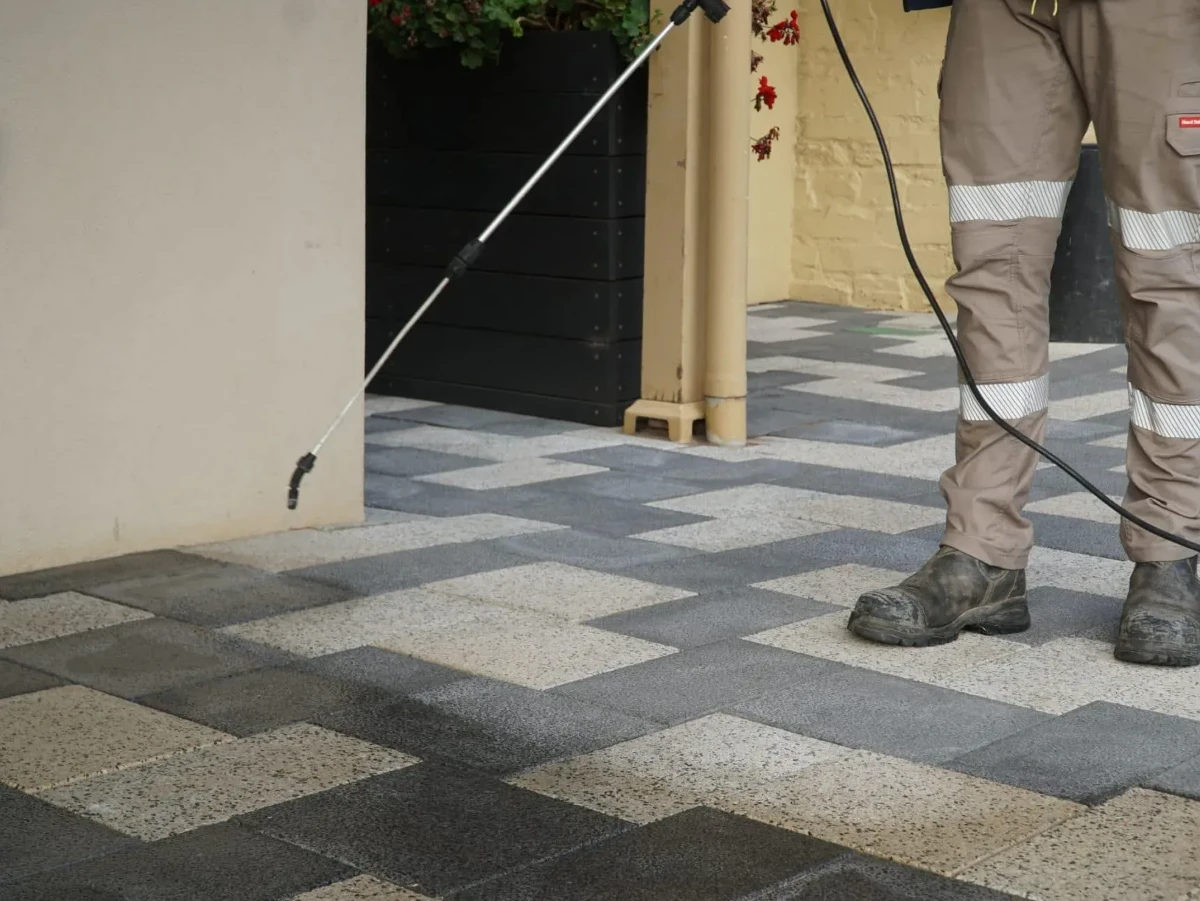
Keep Your Pavers Looking Their Best With Professional Sealing
Whether it’s a clay-paved driveway, a brick courtyard or a concrete-paver alfresco, freshly cleaned pavers transform an outdoor space. The problem? Pavers are porous, and the joints between them are an open invitation for dirt, weeds and moss. Without sealing, that fresh look fades fast.
At Surface Rescue, we seal pavers across Adelaide with premium, breathable products that lock out stains and grime, slow down weed and moss growth in the joints, and help your paving hold its colour season after season.
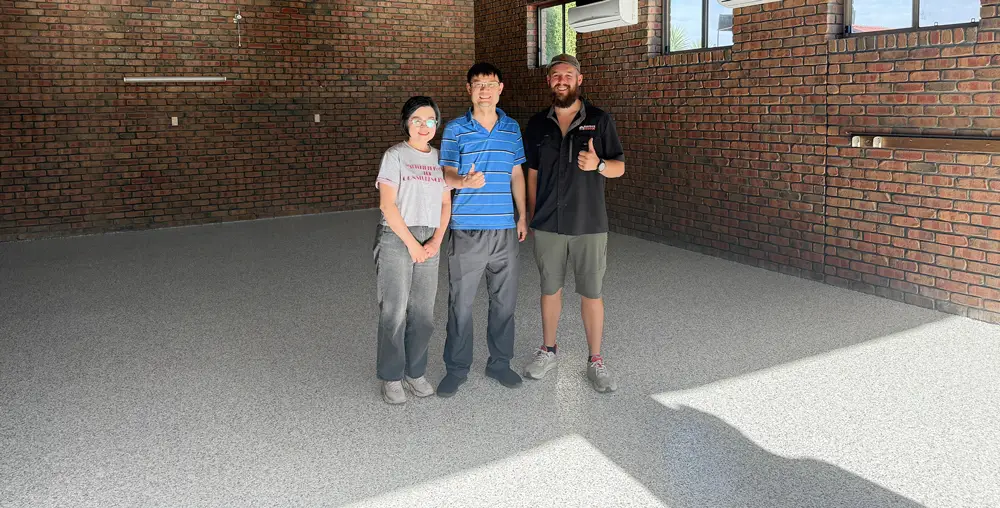
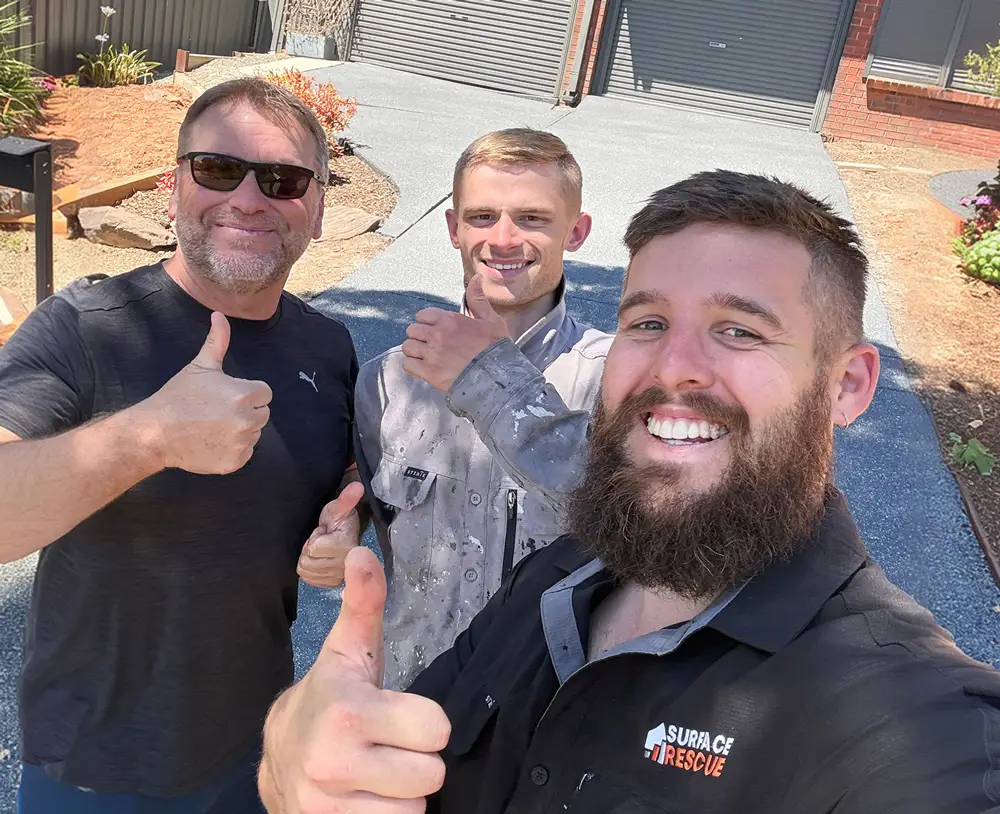
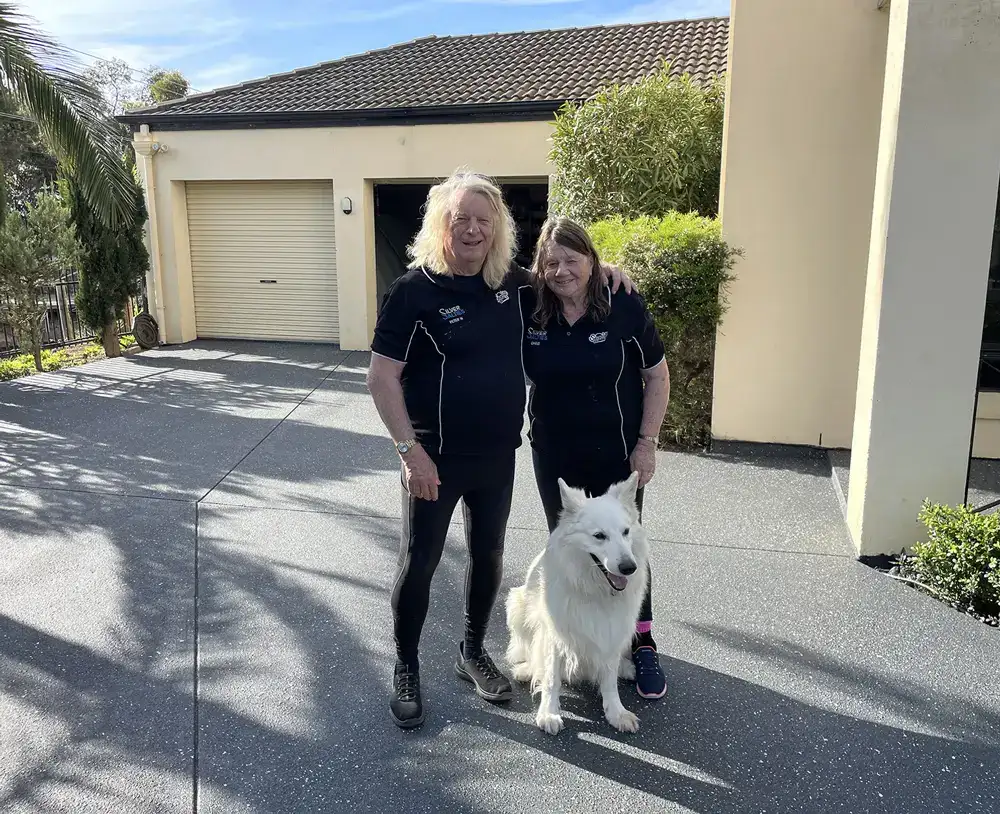
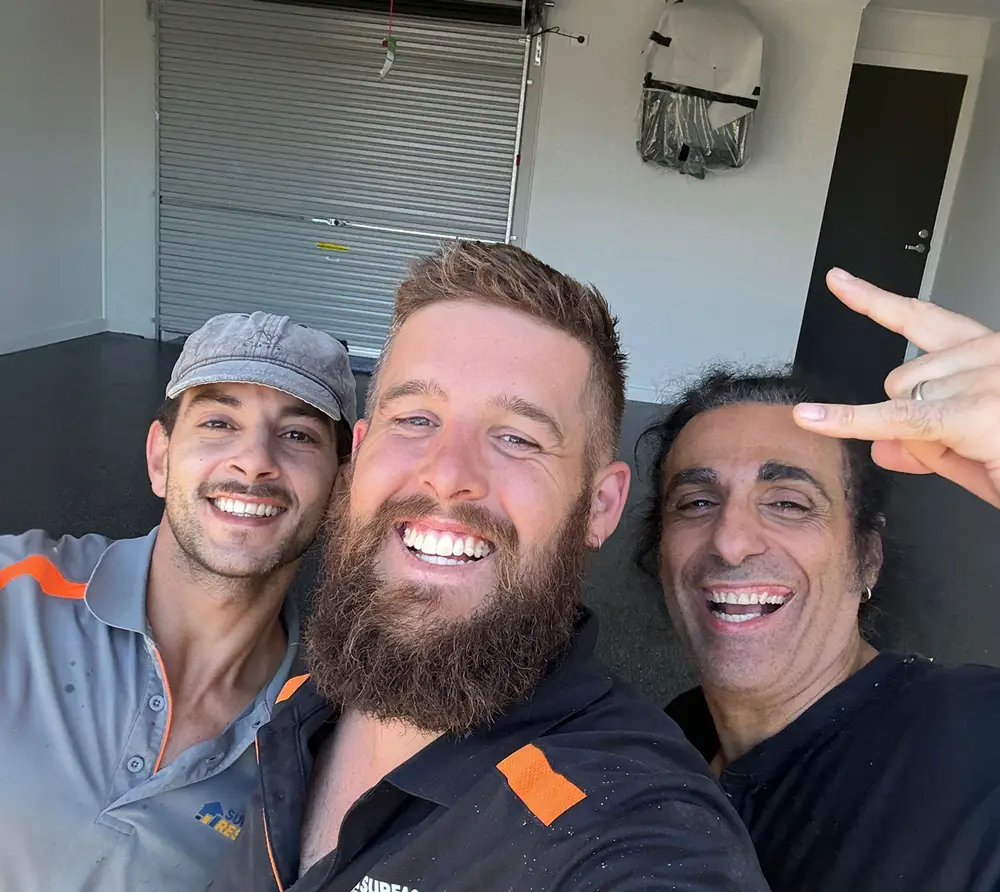
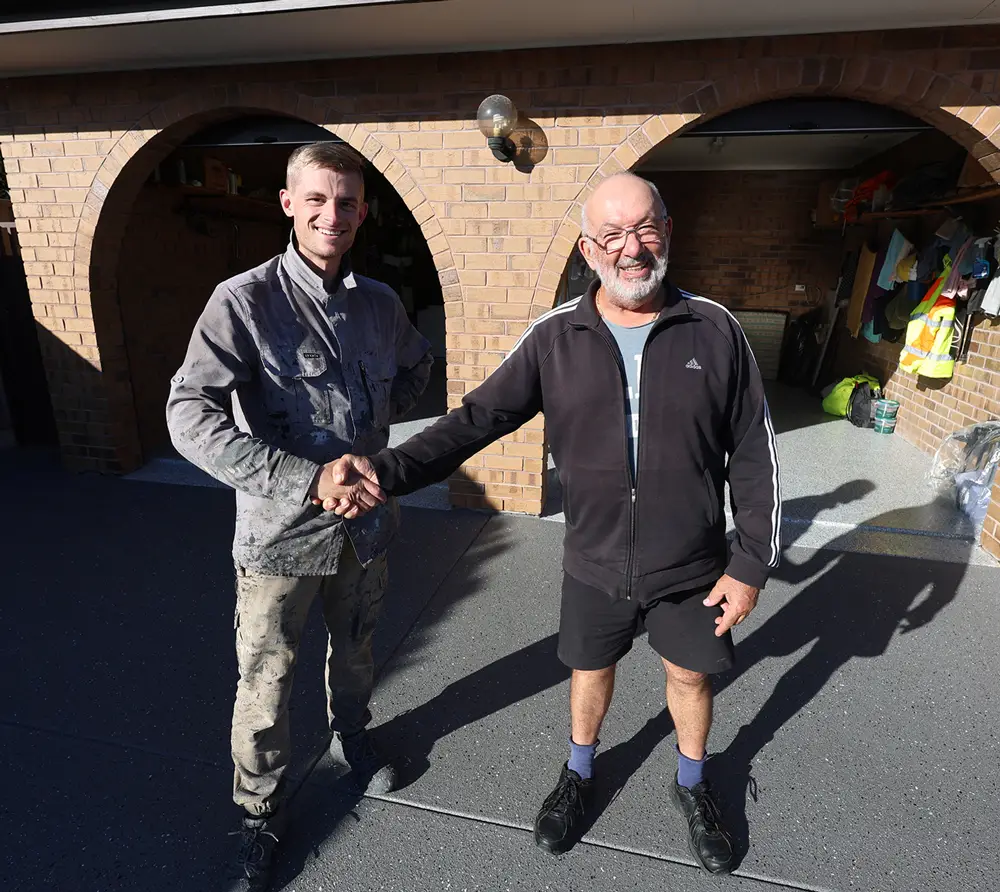
Our Happy Clients
No chasing. No guesswork. Just straight-up quality you can count on.
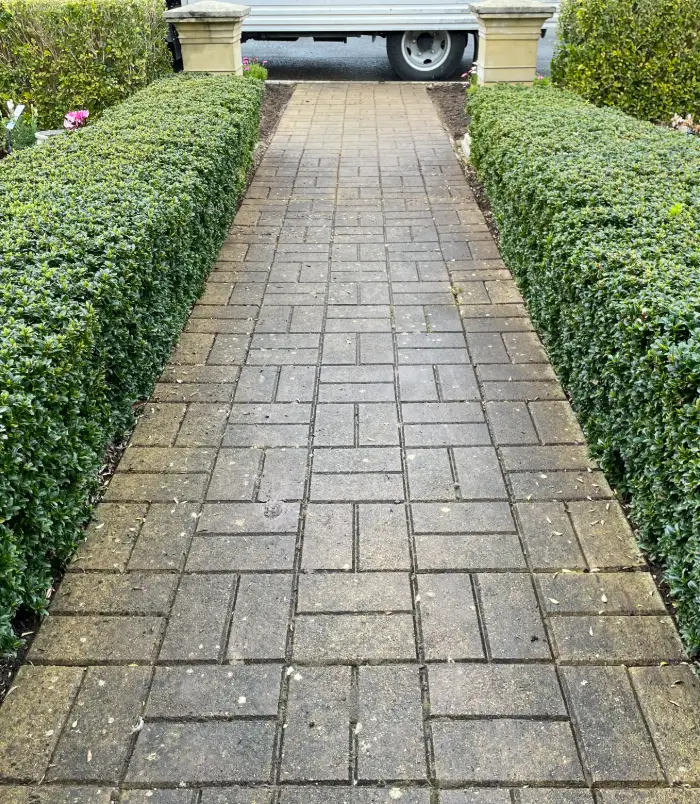
Before 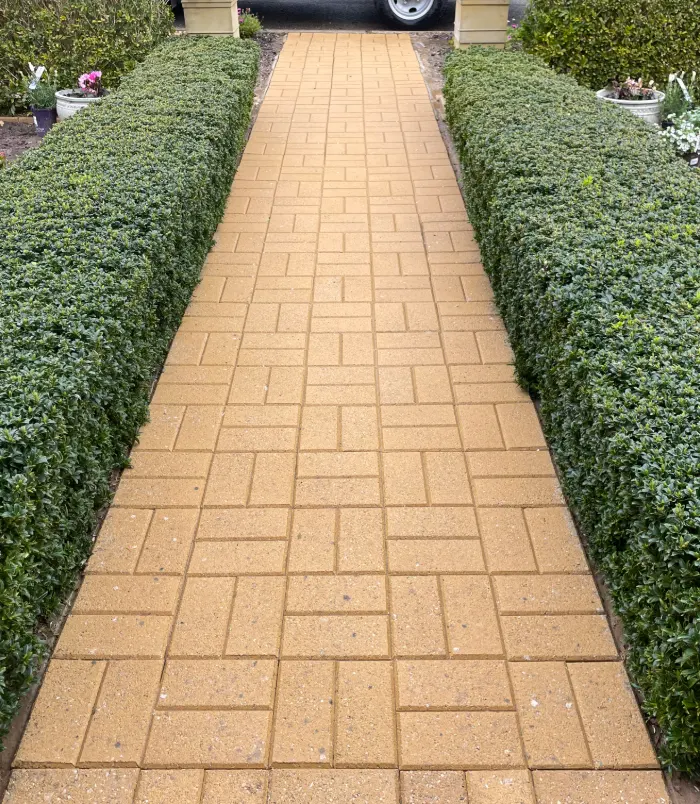
After 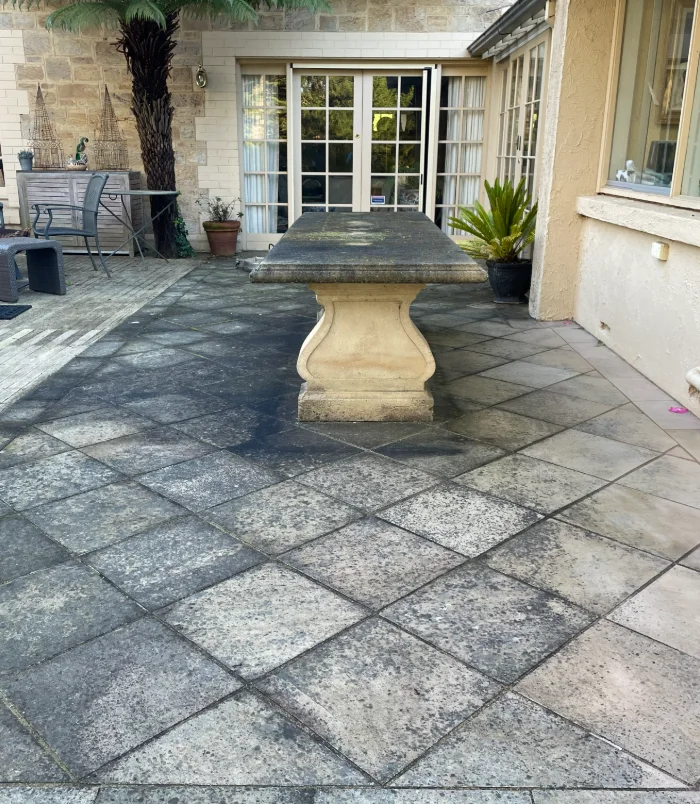
Before 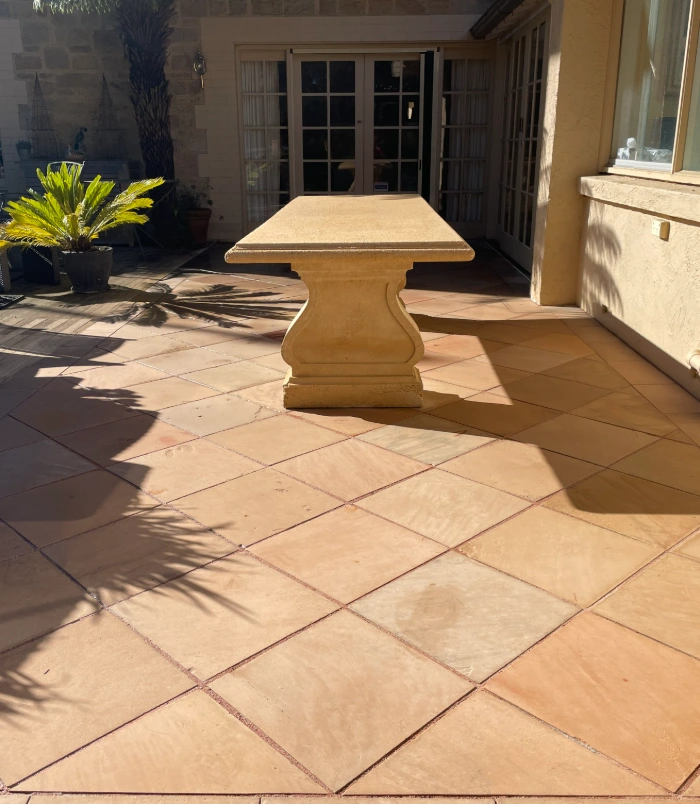
After 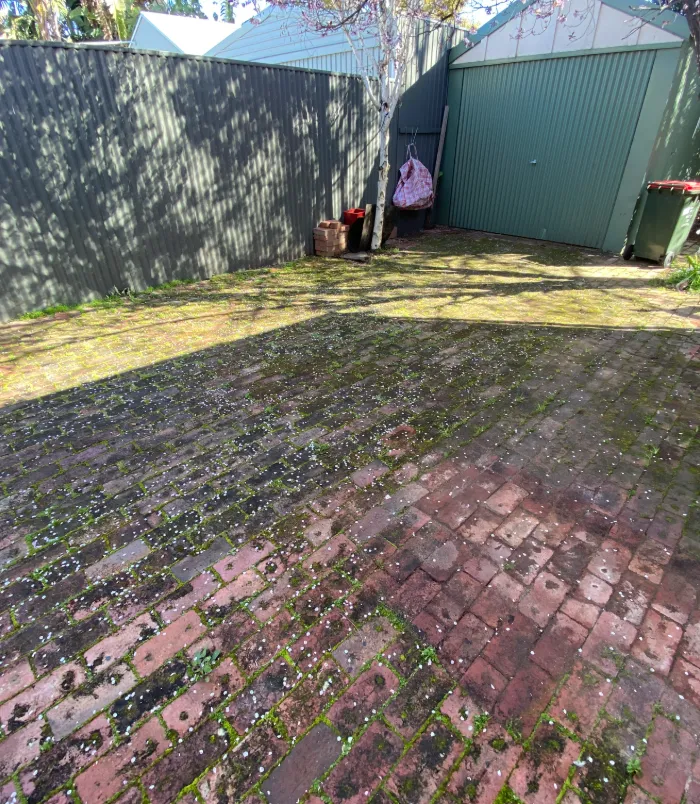
Before 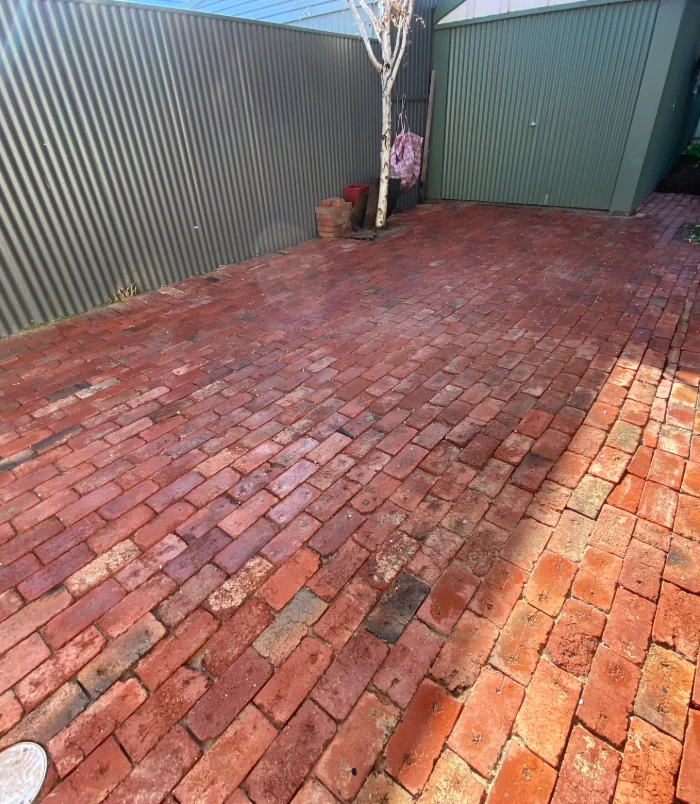
After
See Our Paver Sealing
Services In Action
Paved Areas We Seal
Across Adelaide
We seal a wide range of paved surfaces across Adelaide, including:

Paved Driveways
The hardest-working paving on your property. Sealing blocks oil and tyre marks, keeps jointing sand in place, and makes the annual clean far quicker.
Courtyards & Alfresco Areas
Protects against food, grease and drink spills so your entertaining space stays presentable, even after a big weekend.
Pool Paving
Shields pavers from chlorine, salt and constant splash, while helping prevent the slippery build-up of algae. Applied with slip safety front of mind.
Paths & Garden Paving
Slows moss, mould and weed growth between pavers, meaning less scrubbing, less spraying and fewer weekends on your knees pulling weeds from the joints.


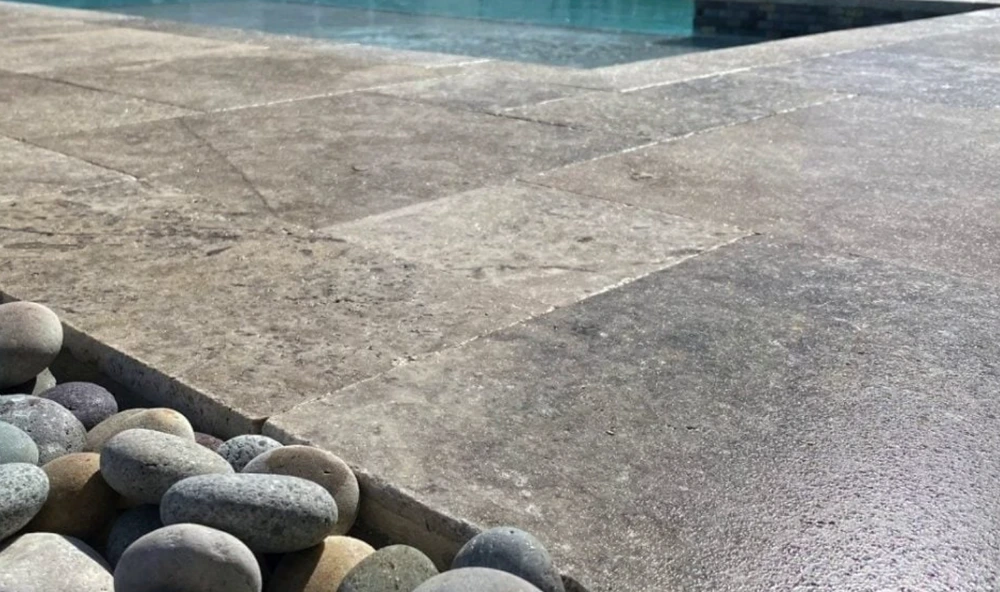
Sealing Pavers Properly Is a Craft
Pavers come in all sorts: clay, concrete, brick, reconstituted stone. Each absorbs sealer differently. Get the product or the application wrong and you’ll end up with blotchy patches, a milky haze, or a slippery glaze that’s worse than no sealer at all.
We identify your paver type, clean and prep thoroughly (including the joints), and apply a sealer matched to the material. Careful, even coverage with no corner-cutting and no spray-and-pray.
Commercial Concrete And Paver Sealing
We partner with builders, landscapers, councils and property managers to seal paving in commercial and high-traffic settings across Adelaide. Sealed paving is easier to maintain, safer for foot traffic, and holds its presentation far longer.
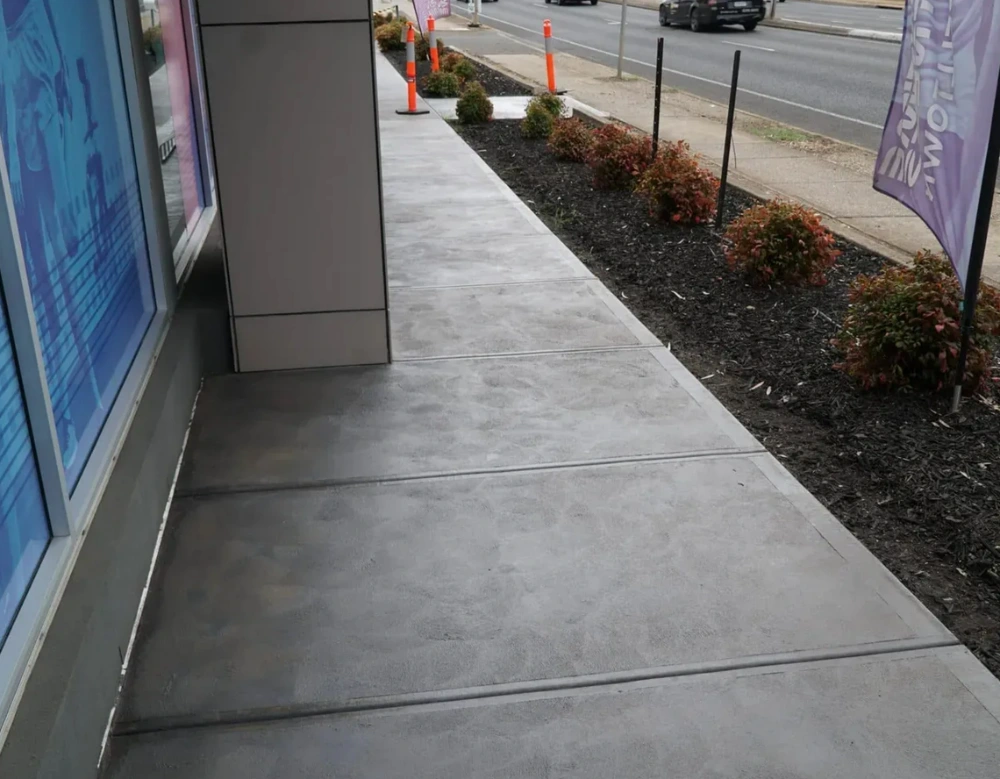
- Shopping precinct and shopfront paving
- Strata driveways and common areas
- School, aged care and public landscaping
- Hospitality courtyards and outdoor dining areas
Adelaide’S Choice For
Professional Pressure Washing
Follow us
What makes us Adelaide's TOP paver sealing crew
The right sealer for your pavers
Sealers matched to your specific paver type, whether clay, concrete or stone
Thorough clean & prep
Full clean and preparation before sealing, joints included
Expert advice on finishes
Clear advice on which finish suits your paving and lifestyle.
Clear quoting & booking process
No pushy sales calls or “we’ll get back to you”


Paver Sealing
Across Adelaide
Adelaide CBD
Henley Beach
Payneham
North Adelaide
Brighton
Lockleys
Norwood
Marion
Findon
Burnside
Seaford
Hallett Cove
Unley
Morphett Vale
West Beach
Prospect
Magill
Thebarton
Glenelg
Rostrevor
Latest from the blog
Not sure where to start? Our blog breaks down the big questions in plain English, so you can make confident decisions about your home.
Frequently Asked
Questions
- I've seen sealers go milky or start peeling over time. Do yours do that?
No, and here’s why.
That cloudy or peeling look usually happens with older-style, solvent-based sealers, the kind you’ll often find at hardware stores. Those sealers sit on top of the surface and don’t let the paver breathe. So when moisture pushes up from below it gets trapped, and the sealer goes milky, bubbles or peels off. Pavers are less forgiving again, because clay, concrete, brick and reconstituted stone all absorb sealer differently. Get the product or the application wrong and you end up with blotchy patches or a slippery glaze that’s worse than no sealer at all.
We identify your paver type, prep it thoroughly (joints included) and use modern, penetrating sealers designed to be breathable. They soak into the paver rather than forming a skin on top, so moisture can still pass through without damaging the finish.
No hazing. No peeling. No headaches.
- How often should I reseal my pavers?
It depends on how much use the area gets, but every 3–5 years is a good rule of thumb.
Paved driveways and other high-traffic areas usually need resealing closer to the 3-year mark. Courtyards, alfresco areas and garden paths can go 5 years or more.
The sealers we use are high-quality penetrating products built to last, not cheap coatings that flake off in a year. But like anything exposed to weather and wear, a bit of maintenance goes a long way. We’ll give you advice specific to your paving once the job’s done, so you’ll know when to plan for a reseal.
- What maintenance do sealed pavers need?
Sealing makes your paving much easier to live with, but it isn’t set and forget.
You’ll still need to clean up spills as they happen, especially oil, grease and food, and give the area a solid clean once a year.
The real benefit is how much less work the paving becomes. Sealing slows moss, mould and weed growth between the pavers and helps hold the jointing sand in place, which means less scrubbing, less spraying and fewer weekends on your knees pulling weeds. We’ll let you know what your paving needs based on the product used and where it sits.
- I want to change the colour of my pavers, will your sealers do that?
Not dramatically, and that’s by design.
A sealer isn’t paint. Ours will slightly enhance the natural colour of your pavers, and if you want a richer, darker tone, we can go with a satin or wet look finish. For wet look we use Guard Industry Wet Finish Premium, rated to last 10 years rather than the 12–24 months you’ll get from budget products, which are the ones that tend to go milky or peel.
What sealing does do is help your paving hold the colour it already has, season after season, instead of fading out in the sun.
- What's the difference between the sealers you use and the ones from the hardware store?
It comes down to quality, performance and peace of mind. Cheaper hardware store sealers look like a good deal upfront, but they come with a lot of risk:
- They’re moisture-sensitive, so if the pavers aren’t perfectly dry the sealer can haze or fail straight away
- They’re not breathable, so trapped moisture turns them milky or makes them peel
- They don’t penetrate well, so they sit on top and can actually make the surface more slippery
- They’re loaded with solvents, so they stink out the area while they’re going down and curing
- They’re sold as one product for everything, when clay, concrete, brick and stone pavers all need something different
And if a cheap sealer fails, fixing it isn’t cheap. It has to be stripped off, which is messy and labour-intensive, then the paving re-cleaned and resealed properly. Far more expensive than doing it right the first time.
We match the sealers to your paver type and make them for long-term performance: more moisture-tolerant, breathable, properly penetrating, and low odour.
- Why should I seal my outdoor surfaces?
Because pavers are porous, and the joints between them are an open invitation for dirt, weeds and moss. Without sealing, that fresh, just-cleaned look fades fast.
What sealing gives you:
- Oil and tyre marks blocked on paved driveways, plus jointing sand that stays put
- Protection from food, grease and drink spills in courtyards and alfresco areas
- A shield around pool paving against chlorine, salt and constant splash
- Slower moss, mould and weed growth in the joints
- An annual clean that’s far quicker and easier
It won’t make the paving bulletproof and you’ll still need to clean it, but it makes life a whole lot easier and helps the paving last years longer.
- Does sealing make a surface slippery when wet?
It can, if the wrong product is used. A glossy or solvent-heavy sealer from the hardware store sits on top of the pavers and can leave a glaze that’s more slippery than no sealer at all.
We use penetrating sealers matched to your paving and apply them with slip safety front of mind. Around pool paving it actually helps, because sealing slows the algae build-up that makes paving slippery in the first place.