Your exterior may look tired and dirty, but blasting it with water feels risky, right? Choosing the wrong method can damage surfaces or leave grime behind – an annoying and costly mistake.
Too much pressure can gouge wood or force water under siding, while soft wash might not cut through heavy grime. Figuring out when to use each can feel like guessing in the dark.
Whether you’re a homeowner protecting your façade or a manager maintaining asset value, at Surface Rescue we help you pick smart and clean right, the first time.
Understanding the Core Cleaning Methods
Grime doesn’t stand a chance when you know your tools. But not all surfaces respond the same way to cleaning methods, and applying pressure where it’s not welcome can lead to costly damage. We help you pick the right technique to clean smarter and safer.
1. Overview of Soft Wash
Soft washing works like a gentle shower for surfaces that bruise easily. It uses biodegradable solutions combined with low-pressure water, making it ideal for painted cladding, vinyl, and tiled roofs.
This method doesn’t just wash off grime – it dissolves spores and algae at the root. Soft washing is quiet, safe, and perfect for both commercial exteriors and residential facades where high stress could cause peeling or cracking. Our Surface Rescue team often uses this to clean roofs and render without disturbing delicate coatings.
2. Overview of High-Pressure Cleaning
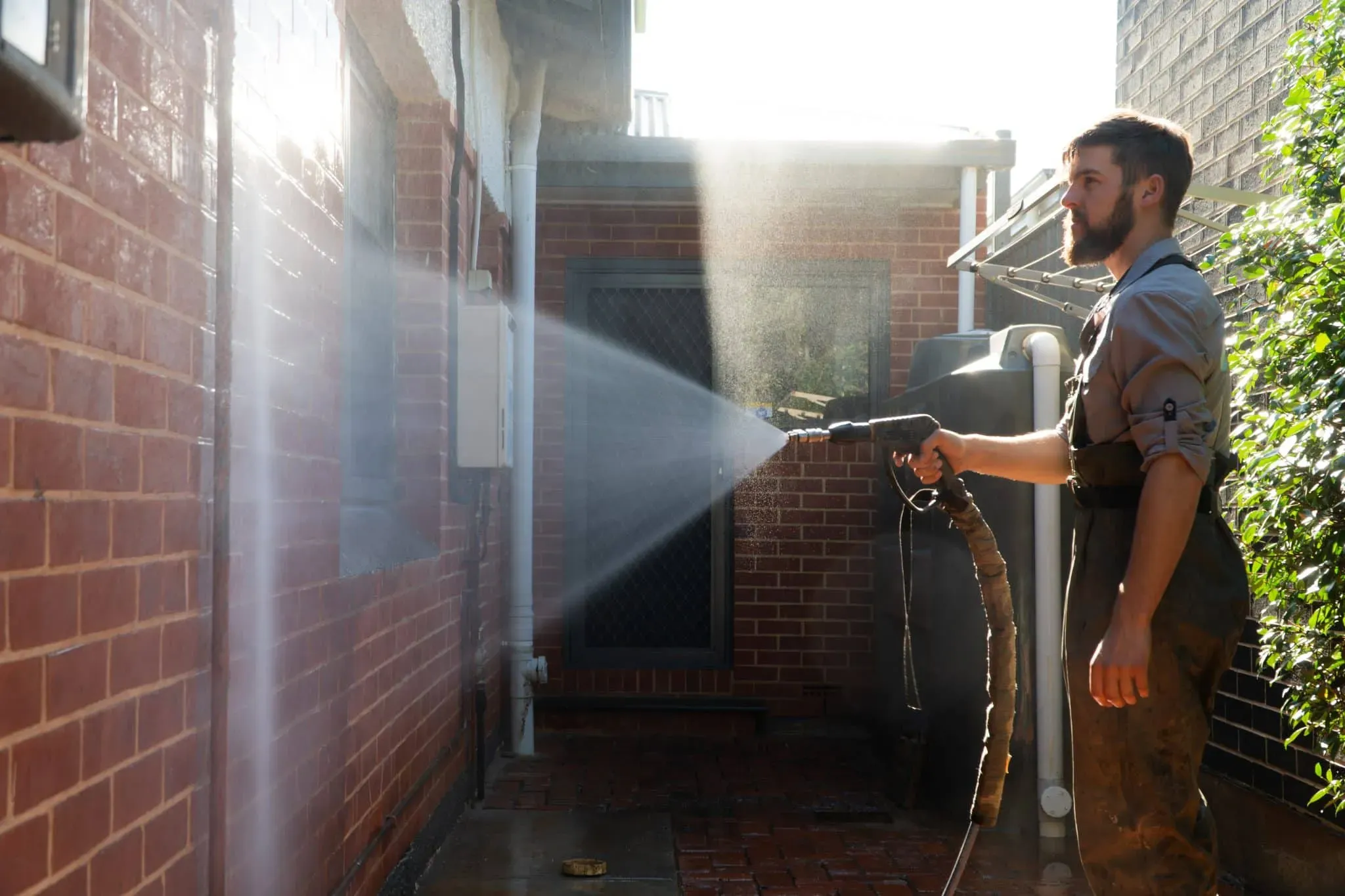
High-pressure cleaning is the power move for stubborn grime. It blasts dirt with intense jets of water, making it perfect for concrete driveways, stone walls, and car parks.
This method skips chemicals and relies on raw pressure, handled expertly by our certified team using professional-grade washers. In industrial jobs, like removing years of oil from warehouse floors, high-pressure cleaning gets straight to the point, quick and effective when used properly.
Where Each Method Excels
Choosing the best method depends entirely on the material under your feet or overhead. Some surfaces demand a soft touch, while others need aggressive muscle – knowing which is which is half the battle.
1. Best Surfaces for Soft Washing
Surfaces like tile, vinyl, painted timber, or asphalt shingles can’t handle brute force. That’s where soft washing steps in, giving mould and moss a targeted takedown without chipping or eroding material.
We often recommend soft wash for residential roofs, especially around Adelaide’s leafy areas, where moss and black algae run wild. Our crews apply eco-friendly solutions that reduce growth for years, saving you future costs and hassle.
2. Best Surfaces for High-Pressure Cleaning
Driveways crusted with oil stains or brick paths choked by dirt build-up benefit most from high-pressure cleaning. The intense water jets penetrate surfaces too tough for gentle chemical cleaning.
High-pressure gear is part of our go-to toolkit for commercial properties, especially those with heavy foot traffic or gum-stained pavements. It cuts through build-up without pauses, making annual maintenance fast and thorough.
Pros and Cons of Each Cleaning Approach
Both cleaning methods have their sweet spots – and their limits. Your choice shapes cleaning effectiveness, long-term maintenance, and even your property’s appearance down the line.
Benefits of Soft Washing
Soft washing doesn’t just make things look clean – it actually stays that way longer. By killing mould spores instead of just rinsing them away, it stops regrowth in its tracks.
We use biodegradable solutions to get deeper resu
📖 People also read about:
Risks with High-Pressure Cleaning
Pushing water through small cracks or worn paint can lead to big issues. Poor application may cause splintered wood, flaked paint, or hazardous accidents.
We don’t recommend high pressure for roofing or fragile siding. Safety is vital, especially when dealing with slippery surfaces or tall structures, and the wrong move can end in real injury or expensive repairs.
Environmental and Cost Implications
What you wash away doesn’t just disappear – it flows somewhere. How much water you use or what chemicals you apply matters more than most realise.
Environmental Sustainability
Soft washing wins points here, using targeted solutions that break down harmlessly. We apply just enough to clean, saving water and protecting gardens.
High-pressure cleaning avoids chemicals, but gulps water by the litre. In drought-prone seasons, it’s a less responsible option without efficient planning.
Cost and Longevity
Soft wash might cost more at the start, but results stick around longer – cutting down future visits and regrowth.
High-pressure cleaning is cheaper per visit, but return grime means more repeat cleans. For budget-tight households, high-pressure seems better short-term but adds up later.
DIY vs Professional Services.
Pressure guns at Bunnings look fun, but one slip can turn your reno project into a repair bill. Knowing when to go solo or call experts makes all the difference.
When to Hire a Professional
Our Surface Rescue technicians are fully certified and bring tools most homeowners don’t have in the shed. Complex substrates, high areas, or stubborn stains usually call for pros.
We use industry stand
📖 People also read about:
DIY Considerations
If you’re sticking to ground-level tiles or cleaning garden pavers, DIY might do the trick. But know your nozzles, pressure limits, and chemical impacts first.
Always suit up in goggles, gloves, and proper footwear. Accidents happen fast with wet paths and slipping can land harder than expected.
Choosing Based on Surface Material and Condition
Cleaning isn’t one-size-fits-all. Cracked concrete, flaking paint, or mossy roof tiles each demand their own approach – pick wrong and you’re back to square one.
Roofs and Gutters
Roof structures take a beating from weather, but they crumble under high pressure. Our soft wash treatments gently strip away lichen, moss, and grime without harming tiles beneath.
This is standard for our jobs – residential and commercial – where roofline mould can let down even the neatest home styling.
Walls, Paths, and Decks
div>Concrete driveways and brick walls love pressure. But if your walls are rendered, timbered, or painted, they need softness to stay intact.
We assess every surface before applying force. For paths and decks used daily, safety and aesthetics both matter, so we clean with purpose and care.
Cleaning Frequency and Maintenance
Like oiling your deck or checking gutters, exterior cleaning works best with a routine. Sporadic attention means more work, and higher bills, later on.
Scheduling Cleanings
We suggest soft washing your roof every two to three years. It keeps mould from taking hold and helps your tiles last longer.
Driveways and paths usually benefit from an annual pressure wash, especially in shaded or busy high-traffic spots.
Property Value and Longevity
First impressions sell houses. Clean exteriors make homes feel cared for and boost curb appeal dramatically.
Consistent cleaning avoids dirt damage like tannin stains on concrete or mould under paint – saving repainting costs down the track and preserving resale value.
FAQs
1. Is soft washing better for roofs?
Yes – soft washing protects tile, shingle, and metal roofs. It lifts organic growth without cracking or flooding the underlayment.
2. What surfaces should never be pressure washed?
Avoid high-pressure on asphalt shingles, weatherboards, painted render, and thin cladding. It can strip paint, cause cracks, or force water behind walls.
3. What do professionals use to soft wash a house?
We use biodegradable detergents, low-pressure sprayers, and purpose-specific formulas depending on surface type and contamination level.
Our team is trained to mix and apply safely, ensuring surfaces are clean, intact, and protected long after the job’s done.
4. How often should I clean my roof or driveway?
Roofs should be soft washed every 2 to 3 years. Driveways benefit from annual pressure cleaning to prevent grime buildup and preserve structure.
 Surface Rescue service van on a sunny day." class="wp-image-4413" srcset="https://surfacerescue.com.au/wp-content/uploads/2025/12/IMG_7736-scaled-1.jpg 2560w, https://surfacerescue.com.au/wp-content/uploads/2025/12/IMG_7736-scaled-1-300x200.jpg 300w, https://surfacerescue.com.au/wp-content/uploads/2025/12/IMG_7736-scaled-1-1024x683.jpg 1024w, https://surfacerescue.com.au/wp-content/uploads/2025/12/IMG_7736-scaled-1-768x512.jpg 768w, https://surfacerescue.com.au/wp-content/uploads/2025/12/IMG_7736-scaled-1-1536x1024.jpg 1536w, https://surfacerescue.com.au/wp-content/uploads/2025/12/IMG_7736-scaled-1-2048x1366.jpg 2048w" sizes="(max-width: 2560px) 100vw, 2560px" />
Your Exterior Deserves More Than a Rush Job
Truth is, not every surface can handle brute force. And not every grime needs a gentle touch. The secret lies in knowing when to go soft and when to turn up the pressure – because one-size-fits-all just doesn’t cut it.
Choosing the right method depends on the surface, the grime, and the risk. Soft wash works best for delicate finishes and high-up spots, while high-pressure suits tougher jobs like driveways or concrete. Matching the technique to the task gets better results and protects your property.
At Surface Rescue, we bring clarity and care to every job – offering both methods with the right know-how. Let us handle your cleaning needs safely and professionally. Get in touch today.