
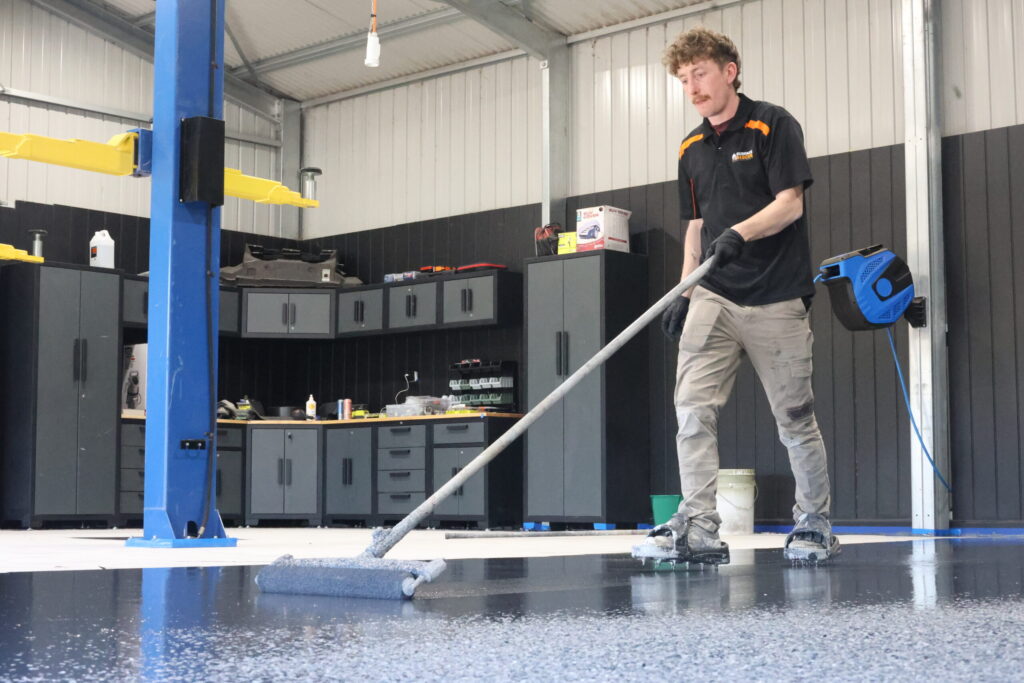
Your floors shouldn’t look tired after just a few months. It’s frustrating watching that fresh epoxy shine fade far sooner than it should.
We get it. You’ve invested in your space, and keeping it looking sharp shouldn’t feel like another full-time job. When the gloss starts dulling or marks start showing up, it quickly turns into a constant battle.
The truth is, epoxy flooring needs more care than most people expect. Grit build-up, scuffing, chemicals, and the wrong cleaning habits all chip away at the finish. But with the right maintenance routine, your floor can stay glossy, durable, and easy to manage for years.
Whether you’re a homeowner proud of a polished garage or a facility manager responsible for high-traffic commercial spaces, we’re here to make things easier.
At Surface Rescue, we keep it simple, service-driven, and reliable because that’s exactly what Adelaide’s finest deserve.
Routine Epoxy Floor Care
Epoxy floors have a shine that stands out, but that glow doesn’t last without regular care. The good news is, upkeep doesn’t need to be a chore. A small daily effort keeps your space looking polished and professional – whether it’s your home garage or a busy commercial area.
1. Daily and Weekly Cleaning Habits
Dust and dirt are the fastest way to wear down your epoxy surface. A soft broom or dust mop gently removes grime before it becomes a problem. For deeper weekly cleaning, damp-mop with mild, soapy water using a microfibre mop to keep the gloss intact without stripping the seal.
2. Suitable Cleaning Tools and Methods
Choose tools that respect the surface. Soft microfibre mops and non-abrasive pads are perfect. Stay away from harsh bristles or scrubbing sponges, as they can dull the finish. A gentle touch with the right materials goes a long way toward preserving that clean, sleek look.
3. Best Household Cleaners
Stick with pH-neutral cleaners made for hard floors. These won’t leave residue or eat away at the protective coating. Skip anything with vinegar, ammonia, or citrus – they’re known to cause discolouration and dullness over time, especially in high-traffic zones like garages or commercial floors.
4. Prepping Floors Before Cleaning
Start clean-ups by removing dry grit and debris. This avoids friction that scratches the epoxy film. Always wait until floors are cool and dry to mop – warm or wet spots can smear, streak, or trap moisture under the coating, especially on polished floors.
Preventing Surface Damage
Keeping epoxy safe goes beyond weekly mopping. Scratches, impact, and spills can slowly undo the perfection. A few smart habits protect your investment from day one and help reduce the need for early repairs or recoating.
✓ How to Avoid Damage While Cleaning
Never drag things across your floor – lift furniture or equipment when moving. Attach felt pads or use soft rubber under heavier items. It keeps pressure in check and prevents long gouges or rough scrapes from slowing you down later.
✓ Spill Management and Prevention
Oil and acidic spills can eat right through the coat if left too long. Act quickly – wipe, rinse with clear water, and dry fully. Even chemical drips in garages or factories can stain if ignored. It’s better to clean instantly than to recoat prematurely.
✓ Reducing Traffic Impact
Entry mats at your doors are quiet heroes. They catch grit before it gets rubbed in. For commercial spaces or workshops, long runners and reinforced pads in key spots help soften every step, roll, or skid, preserving the look for longer.
✓ Preventative Maintenance Essentials
In industrial zones, rotate where machinery sits every few months. Use rubber casters or tyres instead of metal to avoid fractures and compression lines. It balances the wear so the coating performs longer without patches breaking down.
Restoring Shine and Longevity
Even the best care won’t stop natural dulling over time. But restoring that shine isn’t hard if you follow a consistent plan. With the right products and timing, your floors will keep turning heads well into the years ahead.
✓ Recoating and Sealing Best Practices
A recoat every few years is like a fresh coat of wax on a new car. Just clean and dry thoroughly before applying any layer. Leave enough curing time and watch your finish bounce back with that crisp, glossed look.
✓ Dealing with Fading and Dullness
Faded patches can often be brought back with a soft polishing pad and epoxy-safe floor polish. Always use approved products – anything else might peel or trap cloudiness inside the coating. This is especially true in high-exposure outdoor applications.
✓ Shine-Boosting Products
Opt for clear topcoats made for epoxy. They’re designed to enhance reflectiveness without the slickness. Avoid oil-based gloss sprays – they often attract dust or create slippery zones, which pose a safety risk on commercial or warehouse floors.
✓ Handling Heavy Traffic’s Effect on Shine
For high-traffic spaces like showrooms or loading bays, use sealers that preserve gloss while providing anti
📖 People also read about:
Fixing Minor Damage
Small chips or cracks don’t always need a full redo. Catching these early means your floor can stay beautiful with less work and without major interruption to your space or business.
Identifying Common Issues
Watch for dull patches, surface cracks, or small chips, especially near edges and seals. These minor blemishes signal wear spots that need attention before they expand and compromise the entire area.
Repairing Scratches and Cracks
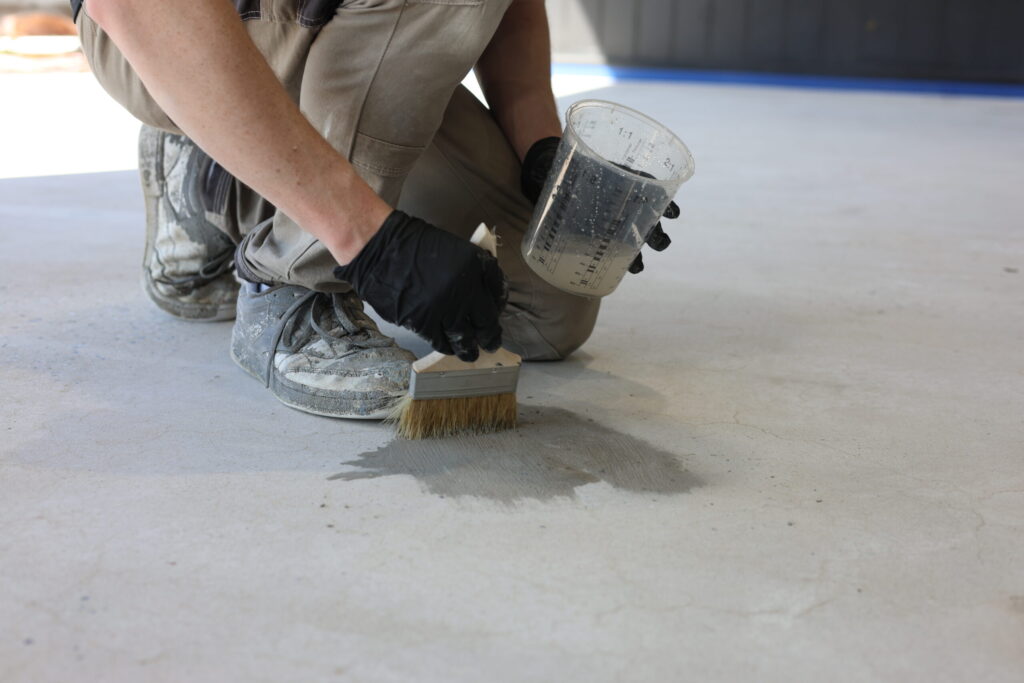
We use epoxy patch kits made for these floors. They fill in the damage neatly and cure solidly. Finishing with a touch-up resin smooths everything back into place without a full recoat, saving time and cost.
Repainting Small Areas
To repaint worn patches, gently sand the surface and match the original colour. After sanding, apply a patch primer, especially near expansion joints or high-wear spots. It ensures even blending and secures a tighter finish.
When to Seek a Professional
If you see large cracks, lifting areas, or signs of moisture underneath, it’s time to bring us in. We handle deep repairs in homes, shops, and industrial spaces without shutting down everything for days.
Seasonal and Annual Maintenance
With Adelaide’s shifting climate, your epoxy needs extra attention at the start and end of each season. Small tweaks can prevent big problems from boiling heat or cold, wet spells.
Setting a Maintenance Calendar
Every three months, walk the whole surface. Look for lifting, discolouration, or chips. Plan recoat or sealing checks once a year – or twice if you’re in a heavy-duty setting like a garage or warehouse.
Cold and Hot Climate Care
In winter, ice melt can damage the coating – remove it quickly. Summer heat can bubble the layer if ventilation is poor. Keep air moving and floors clean to avoid trapping steam beneath the surface layers.
Preparing for Season Changes
Apply an extra topcoat before major heat or cold sets in. It gives a cushion against expansion and contraction. Also, check moisture-prone areas for condensation or cloudy spots after weather shifts.
Winter Garage Floor Tips
Put heavy-duty rubber mats under vehicles to catch melt drips. Salt and ice water left to sit will fade your surface fast – clean up residues every few days to keep it intact through the season.
Cleaning Products and Tools
What you use matters just as much as how often you c
📖 People also read about:
Recommended Cleaners for Epoxy
Use pH-neutral options without harsh soap or strong fragrances. Film-free cleaners help maintain anti-slip finishes without feeling oily or streaky. Ideal for any setting – homes, garages, or commercial shops.
Tools to Use and Avoid
Go for soft nylon brushes and flat microfibre heads. Steel wool, rough scouring pads, and scrapers can do more harm than good and wear down coats rapidly around corners and entryways.
Safe Use and Storage of Cleaners
Always store cleaners in cool, dry places to prevent ingredient separation. Use correct water ratios on large areas to avoid slippery build-up or dulling from undiluted residue layers.
Cleaning Machines for Epoxy Floors
Low-speed scrubbers or burnishers work wonders when matched to your floor type. Always check if your equipment head is epoxy-safe before going over large retail or plant areas.
Tailoring Care for Specific Spaces
Each epoxy setting has different expectations. A garage floor doesn’t face what a restaurant kitchen or warehouse deals with. We fine-tune care based on space use and volume.
Home and Garage Maintenance Tips
Dust collects fast in garages – clean weekly. Absorbent mats under cars trap oil before it stains. Avoid chemical cleaners from household cupboards – they often degrade protective coats in less-travelled areas.
Commercial Facility Maintenance
Spaces like kitchens or medical clinics need higher attention. Everything mu
💡 Need help?
We offer professional commercial industrial exterior cleaning services to help you achieve your goals.
Caring for Industrial Epoxy
Place thick mats under all fixed machines. Epoxy can resist forklifts, but constant friction wears travel paths. Periodic slip tests confirm these zones stay compliant and hazard-free.
Spaces with High Moisture Risk
Bathrooms and food areas suffer the most from condensation. Keep these rooms ventilated and floors dry or sealed. Watch for soft spots or mould lines creeping along seams or under fixtures.
Professional vs DIY Maintenance
Some maintenance is great to handle yourself. But when your floor starts showing serious wear, a professional finish ensures control and beauty without constant repairs or guesswork.
1. When DIY is Sufficient
Routine mopping, clearing spills, and buffing minor patches? You’ve got that covered. Light scuffs or faded lines near garage walls can be retouched without calling in backup.
2. When to Call a Professional
If large sections yellow, flake, or lift – that’s when it’s time for us. We recoat wide zones, fix water damage, and resurface floors without leaving behind patchy finishes or mismatched colours.
3. How to Prepare for Recoating
Clear the area of shelves, trolleys, or hanging tools. Ensure all debris is swept out. Cleanliness improves coating bond and sets the update up for years of solid results.
4. Custom Maintenance Plans
Our team tailors plans around how your floor is used – home, shop, factory – we base it on real-world wear. Recoat cycles, inspections, and tool suggestions are mapped to fit your exact needs.
FAQs
1. How much does it cost to maintain an epoxy floor?
Regular maintenance can range from $50 annually for basic care up to $300 for larger recoat services. It depends on the area size and condition.
2. What’s the best cleaner for epoxy floors in Australia?
pH-neutral cleaners like Enzyme Wizard or Simple Green work well. Just avoid vinegar, ammonia, or citrus-based products as they damage coatings.
3. How often should epoxy floors be resealed?
Residential floors should be resealed every 3–5 years. Commercial or industrial zones may need yearly touch-ups depending on traffic.
4. Can epoxy floors discolour or fade?
Yes, especially with UV exposure or chemical spills. Using UV topcoats and cleaning spills quickly helps prevent this.
5. Are epoxy floors safe for pets and children?
Absolutely. Once cured, epoxy floors are non-toxic, seamless, and easy to clean – making them ideal for homes with kids or pets.
Your Floors Deserve Better Than Quick Fixes
Nothing throws off a great space like a floor that turns dull, stained, or starts flaking long before its time. The good news? Keeping it looking fresh doesn’t have to be complicated. It just needs consistency and the right kind of care.
With proper upkeep, that clean, glossy finish can handle heavy traffic, daily wear, spills, and long hours on the job. A little attention now stops bigger problems from creeping in later, saving you time, money, and unnecessary stress.
At Surface Rescue, we maintain epoxy floors the right way – no shortcuts, no guesswork, and no hassle. Just reliable care that keeps your floors looking new for years.