
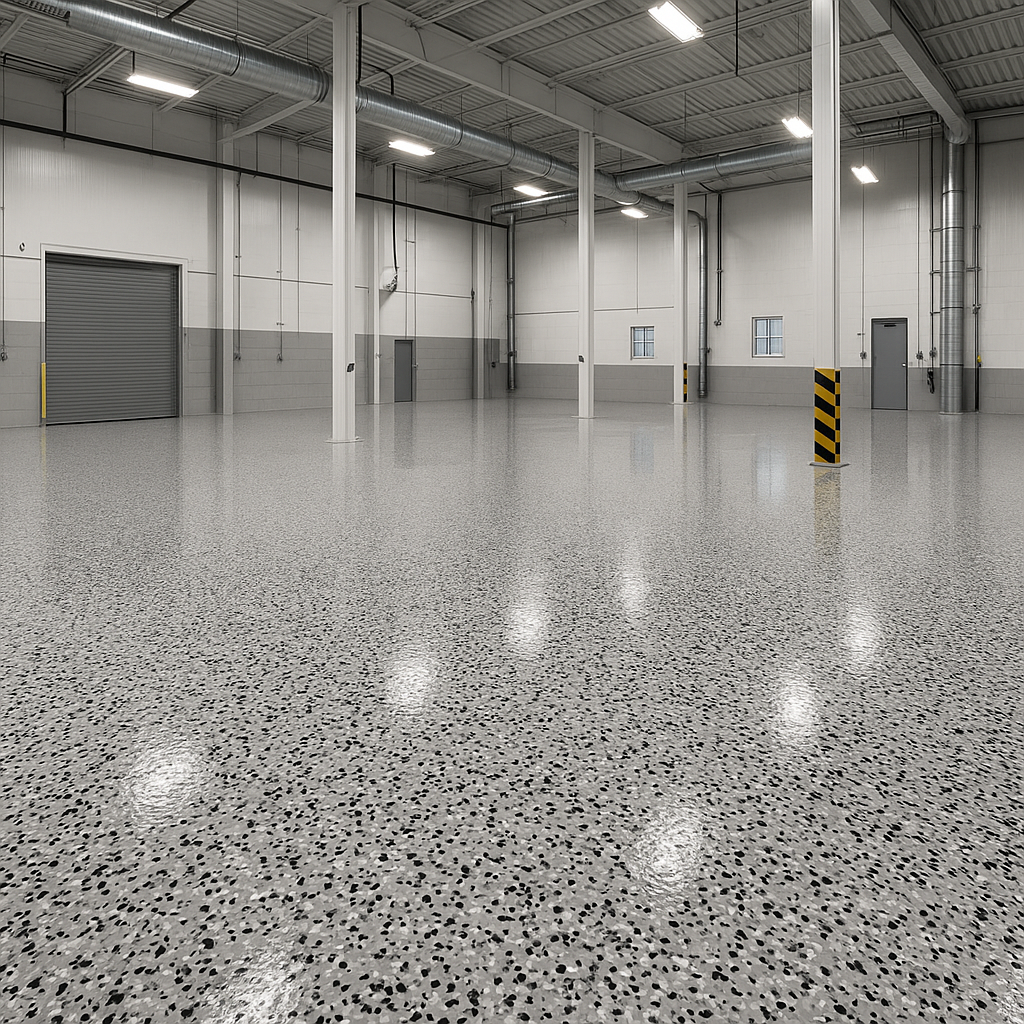
Ever wondered why your epoxy floor looked amazing at first but wore out far too soon? You’re definitely not the only one. It’s frustrating to invest in a finish that should go the distance, only to find yourself patching or redoing it just a few years later.
From heavy foot traffic and harsh conditions to poor installation or low-grade products, there are plenty of reasons epoxy doesn’t last as promised. But understanding what actually affects longevity helps you make smarter choices and avoid repeat problems.
Whether you’re a homeowner, facility manager, or overseeing strata properties, Surface Rescue helps you get it right the first time. We deliver epoxy flooring that’s built for durability, finished to a high standard, and designed to stay looking great without the fuss.
Typical Lifespan of Epoxy Flooring
✓ Average life for residential and commercial settings
Epoxy flooring can last surprisingly long when done right. In homes, like your garage, the wear is softer, so it can last 10 to 15 years. Shops and cafes might see 5 to 8 years of additional foot traffic. In our installations at Surface Rescue, we use commercial-grade materials, even in homes, to extend that lifespan upfront. It’s all about starting with quality and applying it correctly.
✓ Differences in industrial-grade epoxy longevity
Factories and warehouses aren’t gentle on floors. Here, epoxy flooring has to withstand forklifts, pallets, spills, and nonstop footfall. Industry-level epoxy systems usually start thicker and with added chemical or heat resistance. That difference matters. With proper prep and smart installation, you’re looking at 7 to 10 solid years in heavy-duty zones – we’ve seen even more with routine touch-ups.
✓ Lifespan of DIY vs professional epoxy installations
The biggest gap here isn’t just tools – it’s surface prep and product strength. DIY kits often skip proper grinding or acid etching, and cheaper mixes peel fast. You might get 1–3 years at best from a standard DIY job. By contrast, our professional installations last 5, 10, or more years. That’s because we don’t skimp on prep, layering, or curing time.
✓ Realistic expectations over 5, 10, and 20 years
It’s all about conditions and care. If you’re using a garage daily and track in grit, your epoxy needs maintenance by year five. With upkeep and recoating, we’ve kept some floors looking fresh after two decades. But every type and use varies. Knowing what to expect keeps surprises out of the picture – and planning in your favour.
Factors That Affect Epoxy Flooring Durability
1. Impact of foot traffic, machinery, and daily use
Every step or spin of a wheel wears on your floors. Homes see less strain, while shops and factories are different stories. Trolleys, steel boots, tools – they all scrape, press, and slowly erode your surface. Our team always adds slip and scratch modifiers where needed, especially in commercial and industrial setups, to reduce this kind of wear.
2. Effects of temperature, UV exposure, and sun
Australia’s sun pushes epoxy to its limits outdoors. If your floor isn’t UV-stable, yellowing and brittling will happen sooner or later. Extreme heat or cold during installation also affects curing. At Surface Rescue, we work with epoxy designed for UV-heavy zones and time installations to withstand weather conditions. This keeps finishing stronger and colours true.
3. Chemical exposure and compatibility
Epoxy doesn’t like every spill. Harsh cleaners, oils, or commercial-grade chemicals can cloud or pit the surface. In areas like workshops or industrial floors, we always ask: what’s hitting this surface daily? Based on that, we adjust thickness and sealers to resist what’s common in your environment – whether it’s brake fluid, bleach or chlorine-rich water.
4. Subsurface preparation and humidity concerns
No floor lasts if the base isn’t solid. That’s why we grind or shot blast every surface before laying epoxy. Moisture in concrete causes bubbles and delamination. Adelaide summers and winters play with surface humidity, so we test and treat every slab to avoid surprises under the finish. That prep pays off big time.
Epoxy Flooring Durability Across Environments
Home garages
Your garage might face oil drips, but the living room gets more gentle treatment. We often use flakes or metallics for kitchens and dining rooms, where aesthetics matter too. Even with daily life, a solid epoxy job lasts 10 years or more at home – just sweep, mop, and avoid sliding metal chairs or sharp tools across it.
Warehouses
We’ve coated plenty of hospital floors and café backrooms. These spaces demand hygiene, slip resistance, and surface strength. Noise levels, cleaning chemicals, spills – they all weigh in. Using antimicrobia
📖 People also read about:
Heavy-duty industrial spaces and factories
Forklift lines and machinery paths don’t forgive soft coatings. In these jobs, we apply thicker layers and heavy aggregates for support. This gives epoxy real muscle under extreme pressure – so operators don’t have to worry about flooring needing early repairs. It’s a practical shield that keeps businesses running safely and smoothly.
Improving the Longevity of Epoxy Floors
Regular maintenance and cleaning regimes
It’s not hard – just a bucket and a mop. But consistency matters. Wipe spills early, and sweep grit weekly. We guide every client on proper care based on the space type.
Avoiding scratches, chipping, and harsh chemicals
Felt pads on chair legs. Rubber mats under tool benches. These small things stop early wear. We also list which cleaners work and which don’t. Harsh bleaches and acids can cloud shiny finishes. Our Surface Rescue aftercare sheets help you choose smarter products that clean without dulling or cracking your floor.
Recoating and refinishing options
If an epoxy floor fades over time, you don’t always need to rip it up. Recoating can revive it. Light sanding, then re-sealing, adds years back on. We offer this as part of our maintenance package for existing clients. It’s quicker, cheaper, and extends the life of the original layers without extra fuss ? need to check this
Epoxy Flooring Warranty Guide
✓ Common warranty terms from manufacturers
Most epoxy warranties range from 2 to 5 years, depending on the product and surface type. Coverage usually guards against lifting, peeling, and cracking under normal conditions. At Surface Rescue, we supply this paperwork upfront, and we’re always happy to explain what applies to your unique install.
✓ What warranties typically cover and exclude
Warranty usually covers workmanship and base-material defects but excludes misuse. Dragged furniture, chemical burns, or DIY touch-ups can void it.
✓ Length of coverage by epoxy floor type
Garage floors or indoor commercial spaces generally get longer coverage than patios or driveways exposed to UV. Industrial jobs also score stronger warranties when thicker coats are used. We advise upfront on what’s covered – and even structure the project design to keep your floor under warranty for longer.
✓ How to initiate and process a warranty claim
If something changes on your floor, take snaps and give us a ring. Our team conducts site checks and works quickly with manufacturers. We fix warranty-covered issues rapidly. And since we handle both supply and installation, you won’t be caught in the middle of the product and application teams blaming each other.
Comparing Epoxy With Other Flooring Options
Epoxy vs polyurethane and acrylic coatings
Polyurethane battles UV better but scratches more easily. Acrylic dries fast but struggles under weight. Epoxy sticks hard, supports heavier loads, and offers thicker builds. That’s why we lean into it for garages, workshops and industrial zones. The balance of strength, looks, and cure-time works well across Adelaide’s mix of properties.
Impact resistance and abrasion rating
Epoxy resists damage from dropped tools or dragged furniture. Its abrasion ratings beat most floors in its class. When we install for clients needing extra toughness – like gyms or manufacturing plants – we use thicker coats and modifiers to improve bounce-back under pressure. That way, minor accidents don’t turn into early repairs.
Long-term cost-effectiveness and value
The upfront cost might feel high, but the years it pays off. Replacing failing vinyls or tiles costs more over time. With proper maintenance, epoxy saves you trouble, looks good l
📖 People also read about:
Resiliency under demanding conditions
Where heat, oil, pressure, sun, and chemicals combine – epoxy stands firm. That’s why factories, workshops, and mechanic bays turn to it. With special coatings for slip resistance, UV stability, and chemical resistance, we optimise every install based on real site needs. And the results consistently hold up over heavy conditions.
Epoxy Floor Types and Finishes
Metallic, flake, self-levelling, and decorative types
Metallics bring drama. Flakes offer texture. Self-levelling makes old concrete disappear. These aren’t just eye candy – they help with grip, cleaning, and even hiding imperfections. We help each client choose the right mix. Some want slick showroom polish; others wish to have anti-slip backyard finishes. It’s all in the goal you set.
Chemical-resistant, acoustic, and seamless systems
If spills, noise, or hygiene matter most, then seamless or chemical-tough systems win out. We install these in clinics, schools, and kitchens regularly across Adelaide. With no joins or gaps, cleaning becomes a breeze, and there’s less risk of grime or bacteria getting in. Quiet floors? We have solutions for that, too.
Popular finishes for performance and style
Glossy, matte, speckled, marbled – we’ve done them all. Some finishes keep glare low or add safety traction. Others just tie a space together with flair. Clients often bring photos or samples, and we help make it happen. Looks matter just as much as function – and both can live on the same surface.
Thickness and layering considerations
Thinner coats may look neat, but won’t last under impact. Our team chooses thickness based on foot traffic, use, and substrate condition. High-traffic zones get multiple laye
💡 Need help?
We offer professional commercial industrial exterior cleaning services to help you achieve your goals.
Maintenance and Care Essentials
✓ Proper cleaning tools and agents
Soft-bristle brooms, microfibre mops, pH-neutral cleaners. That’s the trio we recommend. Steam mops or rough pads can dull finishes. Leave the heavy scrubbers for your BBQ plate. A gentle routine keeps shine without risking wear on the surface coat – fast, simple, and effective daily care.
✓ Addressing peeling, cracks, or discolouration
Spot something? Don’t ignore it. A lifted edge or faded patch often signals moisture or UV issues. Our team offers on-site checks and minor touch-ups to hold things in place before bigger issues grow. Adelaide’s weather can trigger these signs suddenly, so fast action is best.
✓ Recoating intervals and aesthetic upkeep
If your floor starts to dull or just feels tired, recoating refreshes everything. We suggest plans based on location. Garages may need it every 6-8 years; commercial kitchens even sooner. It’s a cost-friendly way to keep things fresh without redoing the base layers. Many of our clients book recoat slots well in advance.
✓ Moisture resistance and curing period
Epoxy hates water during cure time. We explain this in prep visits and schedule sets to avoid rain or high-humidity days. Once cured, it forms a hardened barrier against water damage. But early interruption risks bonding failures – timing is everything, especially outdoors or in chilly suburbs like the Adelaide Hills.
FAQs
1. What is the downside of epoxy flooring?
It can be slippery when wet if not textured correctly. Proper prep is a must, or peeling happens early. Also, it’s not ideal in areas with constant moisture underneath.
2. When should I replace or recoat epoxy flooring?
Recoating can be done when the shine fades or light chips appear. Replace only if layers lift or severe wear shows up after a decade or more.
3. Can I extend the life of an epoxy floor through resurfacing?
Yes, sanding and a fresh topcoat can extend the life of the finish. Our team offers this for existing surfaces as part of longer-term care. It keeps everything tight and consistent.
4. How reliable are epoxy flooring brands for durability?
We hand-pick brands tested in Australian conditions. Not all are equal. With the wrong one, results decline fast. We only use proven high-end options we trust daily.
Floors That Stay Stronger, Longer
Your floors take a beating from cars, foot traffic, equipment, and grime; it all adds up. That’s why choosing a surface that can handle real-world wear truly matters.
Epoxy flooring gives you that advantage. With the right preparation and proper care, you’ll get a durable finish that holds strong for years without cracking under pressure.
At Surface Rescue, we install epoxy floors made for endurance and tailored to your space. Ready to get it sorted? Reach out today, and let’s talk about what your surface really needs.