10 March 2026
Do Epoxy Floors Scratch? How Durable Are They Really?
If you’re considering epoxy flooring for your garage, workshop, or commercial space, you’ve probably asked yourself: do epoxy floors scratch? It’s a fair question. After all, you’re investing in a floor that needs to handle dropped tools, heavy equipment, hot tyres, and years of daily use.
The short answer? epoxy floors are highly scratch resistant, but they’re not completely scratch-proof. Let’s look at what that actually means for your space, drawing on the real-world experience of Surface Rescue and our epoxy flooring team in Adelaide.

What Makes Epoxy Floors So Durable?
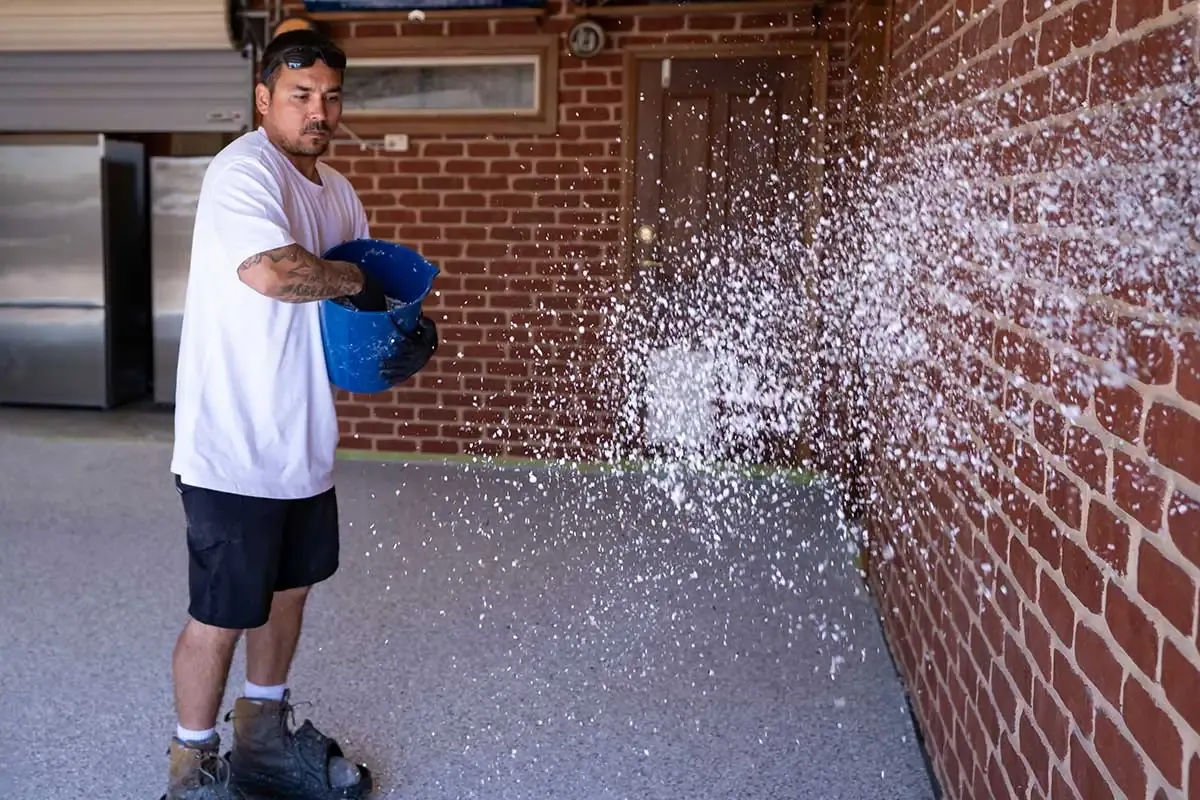
Epoxy flooring creates a thick, seamless coating over your existing concrete. When properly installed with commercial-grade materials, this creates an incredibly tough surface that bonds directly to the concrete beneath.
The durability comes from the chemistry. High-quality epoxy systems cure into a hard, protective layer that resists impacts, chemicals, and abrasion far better than bare concrete or paint. When you add a polyaspartic or polyurethane topcoat (which most professional installers do), you’re adding another layer of defence against scratches and wear.
The result is a surface that stands up to heavy use, changing temperatures, and daily traffic while maintaining its appearance and performance for years.
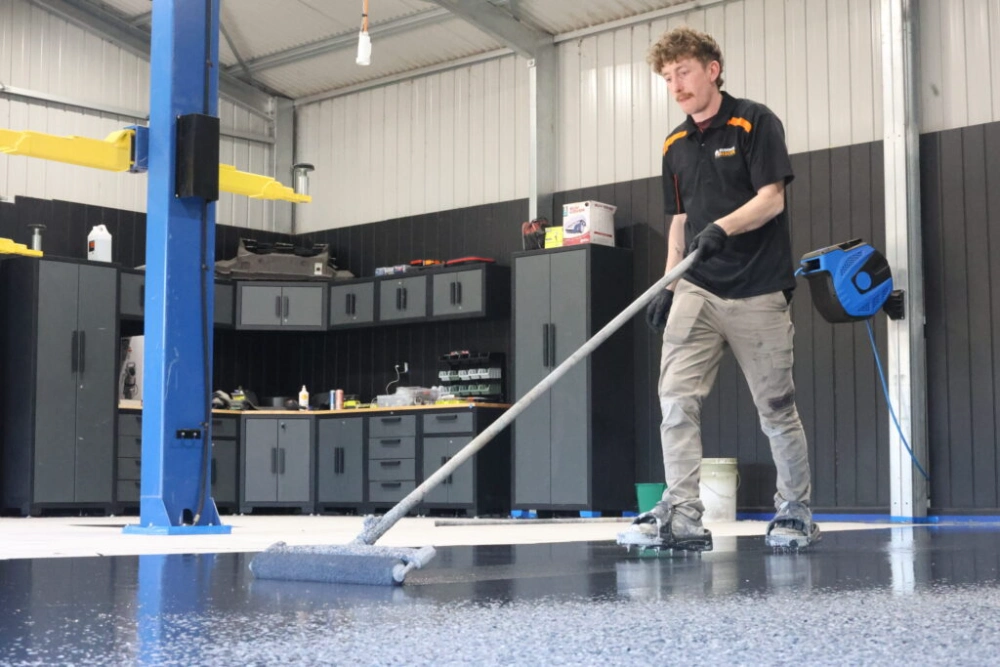
Will Everyday Use Scratch Your Epoxy Floor?
Here’s the honest truth: normal, everyday activities won’t scratch a properly installed epoxy floor.
We’re talking about:
✓ Walking in work boots or shoes
✓ Rolling tool chests and equipment
✓ Parking cars and motorcycles
✓ Dropping hand tools or smaller items
✓ General workshop or garage activities
These activities usually do not generate enough pressure to damage a quality epoxy surface, which is why epoxy has become such a popular choice for garages and workspaces.
That said, like any flooring surface, epoxy is not completely indestructible. Very sharp or concentrated pressure points can potentially mark the surface. For example, metal edges, heavy equipment being dragged, or motorbike kickstands resting directly on the floor can sometimes create gouges.
In situations like this, simple precautions such as placing a small rubber mat or pad under kickstands or heavy point loads can help protect the surface and keep your floor looking its best for years to come.
What About Heavy Equipment and Extreme Use?
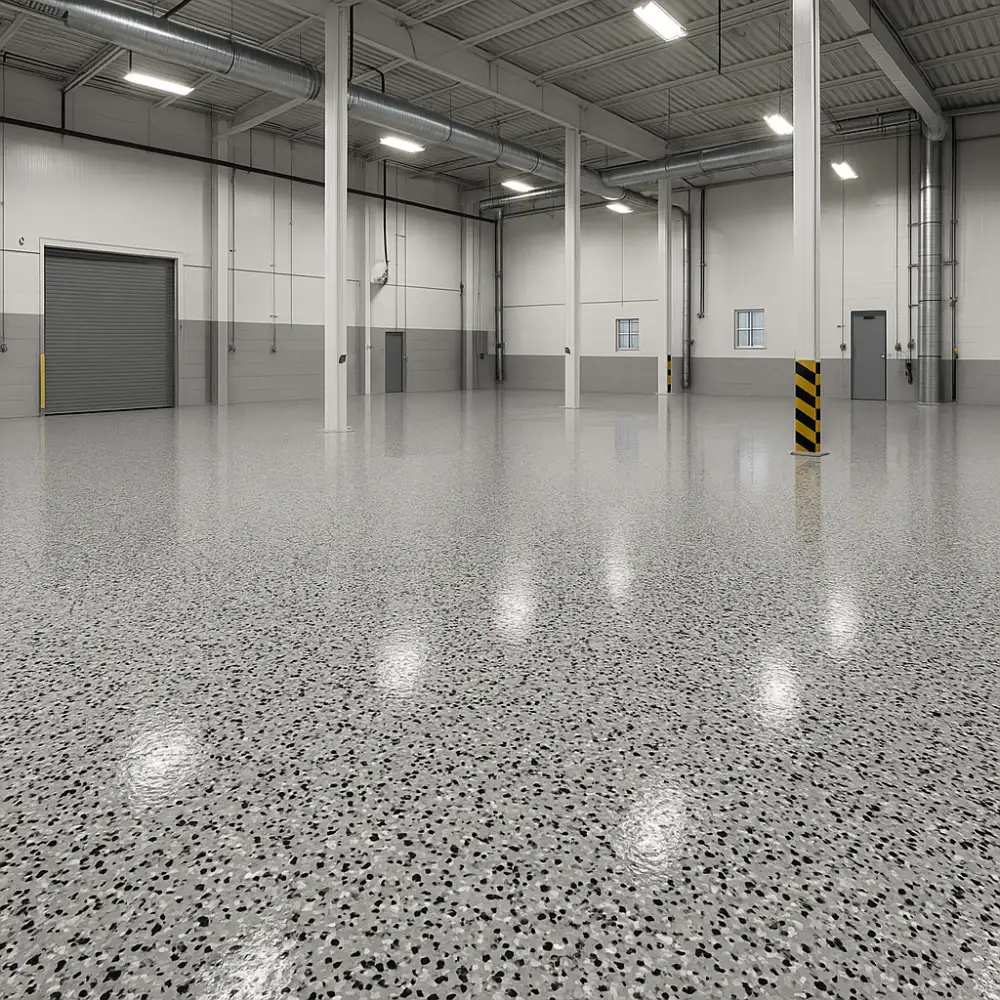
Commercial kitchens, warehouses, and industrial facilities put epoxy floors through brutal conditions. Heavy machinery, forklifts, constant foot traffic, and aggressive chemicals are part of daily operations.
Even under these extreme conditions, high-performance epoxy flooring holds up remarkably well. While you might see some minor scuffing in high-traffic zones after years of constant use, the floor maintains its integrity and protection.
The key factor? Professional installation with the right materials for your specific use case. A residential garage system differs from an industrial warehouse floor, and a quality installer will spec the right product for your needs.
📖 People also read about:
When Can Epoxy Floors Get Scratched?
Let’s be realistic. There are situations where epoxy can be scratched or damaged:
1. Dragging extremely heavy objects
If you drag a 200kg piece of equipment with metal edges across your floor hours after installation, you might see marks. The solution? Give your floor the full 24 hours to cure, and lift rather than drag whenever possible.
2. Sharp metal impacts
Dropping a sharp, heavy metal object from height can potentially chip or scratch the surface. While epoxy is tough, it’s not indestructible.
3. Harsh abrasives
Using metal-bristled brushes or dragging sharp-edged materials can cause surface damage over time.
4. Poor quality installation
This is the biggest factor. Cheap DIY kits or rushed installations won’t give you the same scratch resistance as a properly prepared, professionally installed system.
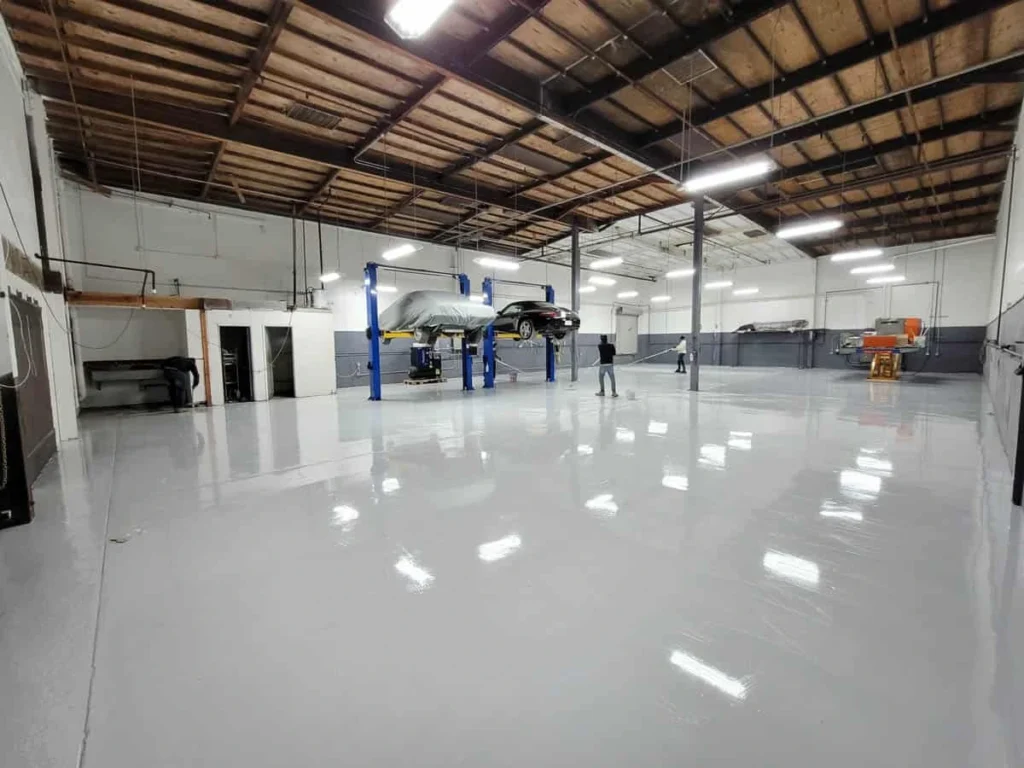
Factors That Affect Scratch Resistance
Not all epoxy floors are created equal. Several factors determine how scratch-resistant your floor will be:
1. Quality of Materials
Commercial-grade epoxy systems outperform budget DIY kits by a significant margin. Professional installers use materials specifically designed for Australian conditions.
2. Proper Surface Preparation
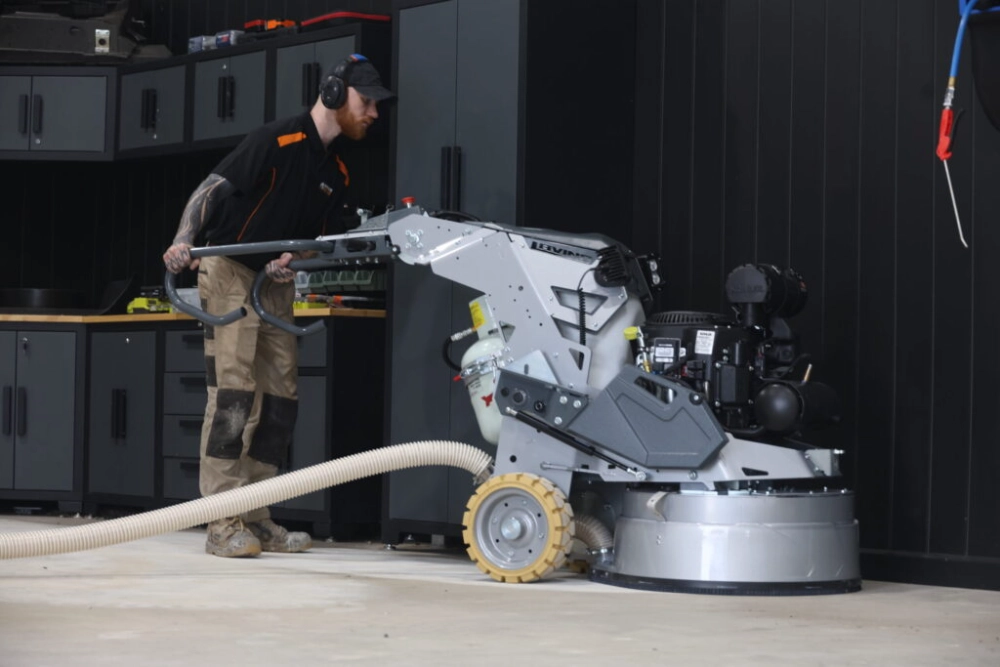
The concrete must be properly prepared, cleaned, and primed. Without this step, the epoxy won’t bond correctly, reducing durability.
3. Topcoat Application
A quality polyaspartic or polyurethane topcoat adds scratch and UV resistance. This is especially important for outdoor areas like patios and verandahs.
📖 People also read about:
4. Curing Time
Curing time plays a big role in how durable and scratch resistant an epoxy floor becomes. If the floor is used too soon, the coating may not have reached its full hardness.
Curing times can vary depending on the supplier and the products used. Many systems require several days before they can handle regular use.
Our high solids epoxy system is designed to cure faster, allowing for light use after approximately 24 hours. However, allowing additional curing time before heavy use helps ensure the surface reaches maximum strength and long term durability.our floor will stay looking new.
How Long Do Epoxy Floors Actually Last?
With proper installation and basic maintenance, epoxy floors in residential garages and workshops can last 15-25 years. Commercial and industrial applications typically see 10-20 years of reliable performance.
During this time, the floor maintains its scratch resistance, chemical resistance, and easy-to-clean surface. You’re not looking at major wear or degradation if the job’s done right.
💡 Need help?
We offer professional commercial industrial exterior cleaning services to help you achieve your goals.
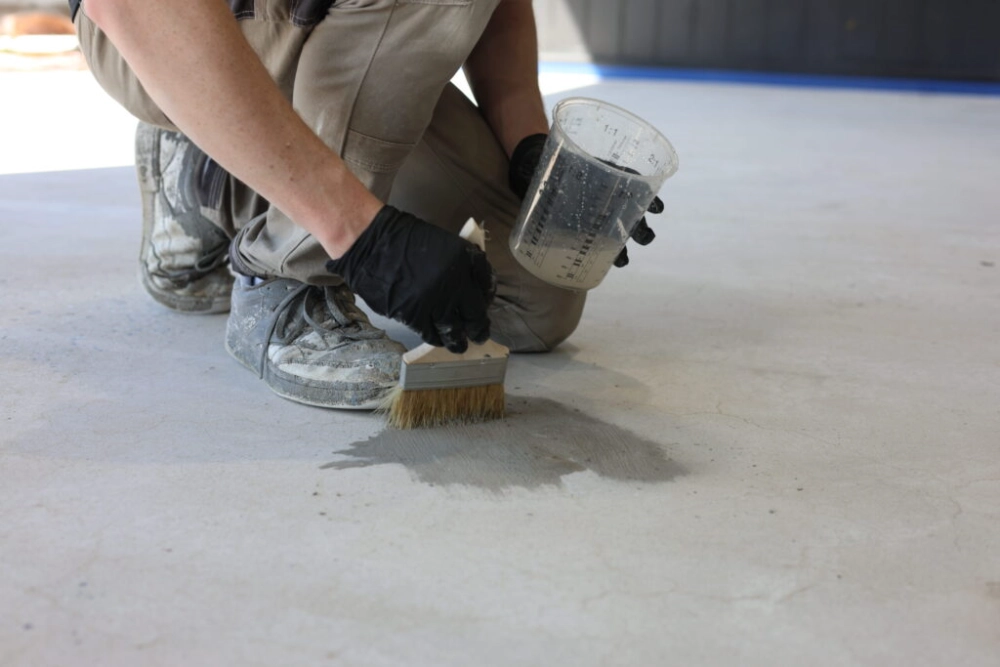
Protecting Your Epoxy Floor From Scratches
Want to keep your epoxy floor looking sharp for years? Follow these simple practices:
✓ Use floor mats in high-traffic entry areas to catch dirt and grit
✓ Sweep or dust mop regularly to remove abrasive particles
✓ Lift heavy items rather than dragging them across the surface
✓ Use furniture pads or protective mats under heavy equipment
✓ Clean spills promptly with a soft mop and mild cleaner
✓ Avoid harsh chemicals or abrasive cleaning tools
These small habits make a massive difference in maintaining that showroom finish.
The Bottom Line: Are Epoxy Floors Worth It?
If you’re weighing up whether epoxy floors scratch easily enough to be a concern, the answer is no. For most residential and commercial applications, epoxy floors are exceptionally scratch resistant and durable.
The floors handle everything from hot tyres and oil spills to dropped tools and daily wear without showing damage. They’re tyre mark resistant, spill-proof, and ready for use in just 24 hours.
At Surface Rescue, we’ve installed countless epoxy floors across Adelaide in garages, sheds, workshops, and industrial facilities. We’ve seen firsthand how these floors perform under real Australian conditions, and the results speak for themselves.
Ready to transform your space with a floor that’s built to last? Get in touch with Surface Rescue today. We’ll assess your space, recommend the right system, and deliver a durable, scratch-resistant epoxy floor that you can count on for decades. Call 0475 399 746 or book your consultation online.
Frequently Asked Questions
1. Are epoxy floors easily scratched?
Epoxy floors are very durable and resistant to scratches compared to many other floor types, but like any surface, they can still get scratched by sharp, heavy, or abrasive objects if not properly protected.
2. What causes scratches on epoxy flooring and how can I prevent them?
Common causes include dragging furniture, grit or sand, heavy equipment, or sharp tools. To prevent scratches, use protective mats, felt pads on furniture, and regular sweeping to remove debris that can act like sandpaper.
3. How does epoxy flooring durability compare to other floor types?
Epoxy is generally more impact- and abrasion-resistant than vinyl, laminate, or painted concrete, and with proper maintenance can last many years in both residential and commercial settings, making it one of the most durable floor finishes available.
Recent Post
 How to Clean Exterior Brick Walls: A Step-by-Step Guide
Brick walls add character and charm to Adelaide homes, but years of exposure to our harsh Australian sun, rain, and
 How Long Will Concrete Resurfacing Last? A Complete Guide to Durability and Maintenance
If you’re thinking about concrete resurfacing for your Adelaide home, it’s natural to wonder whether it’s truly worth the investment.
 How to Clean Exterior Walls Before Painting Adelaide
If you’re planning to refresh your Adelaide home’s exterior with a new coat of paint, there’s one step you can’t