
You’ve probably seen those satisfying videos online where someone transforms their dull concrete garage into a glossy, showroom-worthy space with a DIY epoxy kit. It looks simple enough, right? Mix, pour, spread, and walk away with a professional finish.
But here’s the reality: epoxy flooring isn’t quite as straightforward as those videos make it seem. While DIY kits promise professional results at a fraction of the cost, the gap between expectation and reality can be significant. Let’s break down what you really need to know before deciding whether to tackle this project yourself or call in the professionals.
The Appeal of DIY Epoxy Flooring
It’s easy to see why DIY epoxy kits are tempting. Hardware store kits typically cost between $200 and $500 for an average two-car garage, which seems like a bargain compared to professional installation. You also get complete control over timing and can work at your own pace without coordinating schedules with tradespeople.For handy homeowners who enjoy weekend projects, the idea of transforming their garage floor with their own hands holds genuine appeal. There’s satisfaction in doing it yourself, and if you’ve got the time and confidence, it might seem like the obvious choice.
The Hidden Costs Nobody Talks About
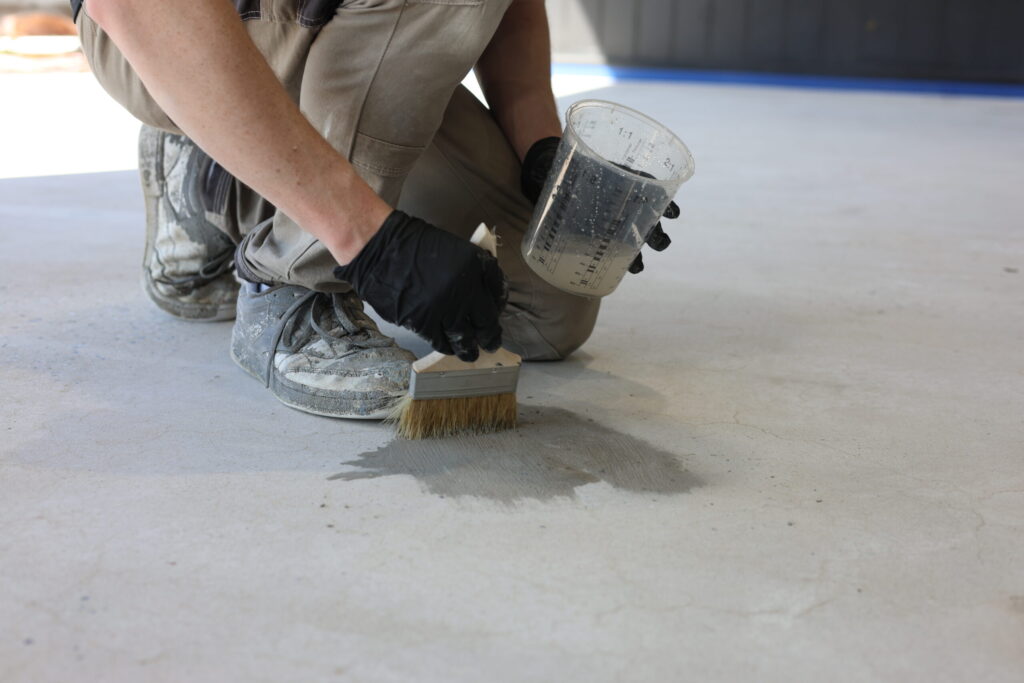
While the epoxy kit itself might be affordable, that’s rarely the full picture. Proper surface preparation is absolutely critical for epoxy adhesion, and this is where most DIY projects run into trouble.
You’ll need equipment for grinding or etching the concrete surface, which can cost $300 to $1,000 to hire or purchase. Standard household tools won’t cut it. The concrete must be completely clean, free from oil stains, and properly profiled for the epoxy to bond correctly.
Then there’s your time. What looks like a weekend project often stretches into multiple weekends, especially if you’re learning as you go. If you’re running a business, that’s billable hours you’re losing. And if something goes wrong, you’re looking at the cost of professional removal and reinstallation, which often exceeds what proper installation would have cost in the first place.
Where DIY Epoxy Projects Usually Fail
Those glossy tutorial videos rarely show you the failures. Here’s what commonly goes wrong with DIY epoxy installations:
✓ Poor surface preparation is the number one culprit. Even invisible oil stains or existing sealers can prevent proper adhesion. Without industrial grinding equipment, achieving the correct concrete profile is nearly impossible. This leads to peeling, bubbling, and premature failure.
✓ Incorrect mixing ratios cause curing problems. Get the epoxy-to-hardener ratio wrong, and you’ll end up with a floor that either never fully hardens or becomes brittle and cracks.
📖 People also read about:
✓ Inadequate coverage often occurs because DIY-ers underestimate how much product they need or apply it unevenly, resulting in thin spots that wear through quickly.
What Professional Installation Actually Delivers
When professional installers like Surface Rescue tackle an epoxy floor, we’re not just bringing better products. We’re bringing years of experience dealing with every substrate condition, climate challenge, and technical issue imaginable.
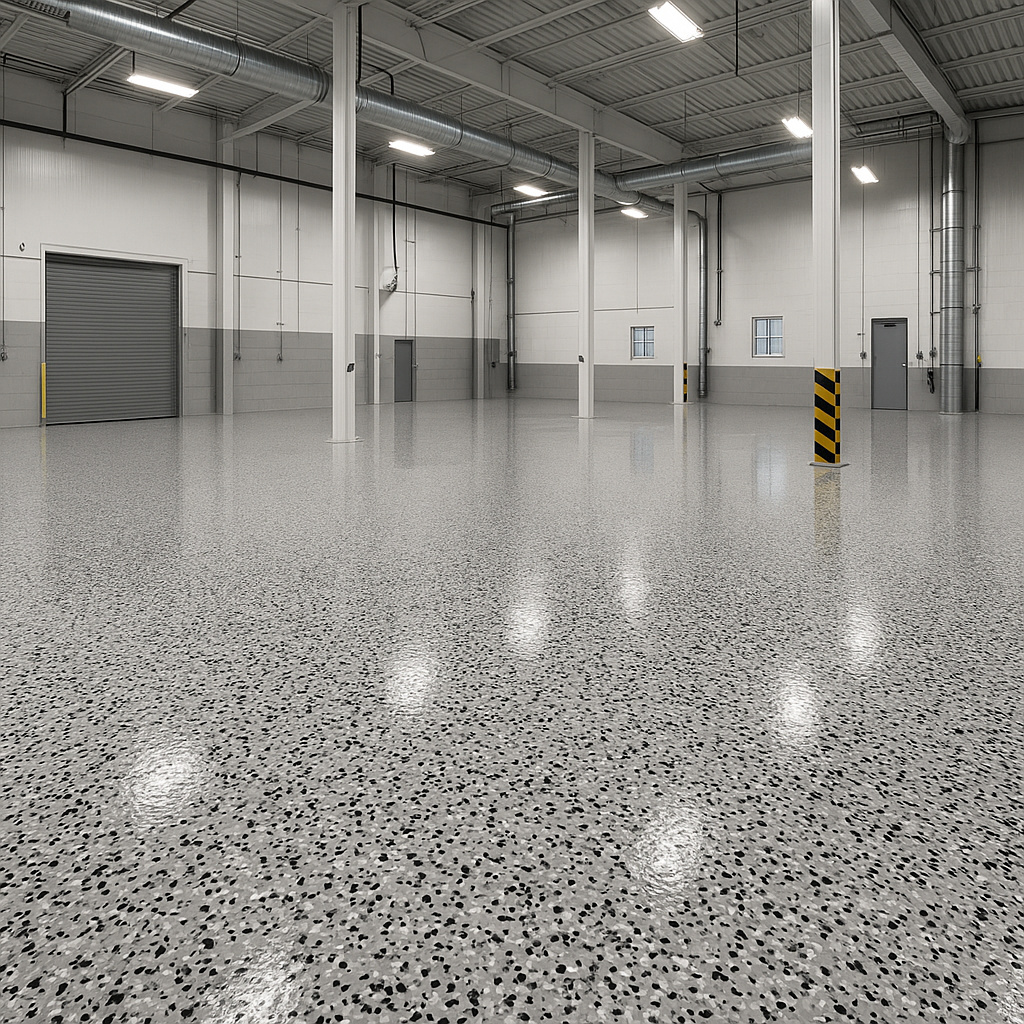
Professional installation starts with thorough surface assessment, including moisture testing and contamination checks. The concrete is properly prepared using diamond grinders and industrial equipment to create the perfect profile for adhesion.
Professionals use commercial-grade epoxy systems that are significantly more durable than retail kits. These products offer superior chemical resistance, UV stability, and mechanical strength. We’re designed to handle real-world conditions, from hot tyre pickup to chemical spills.
Perhaps most importantly, professional installers understand timing. Surface Rescue offers same-day installation with floors ready for light foot traffic in 24 hours. That’s an efficient workflow based on expertise, not guesswork.
📖 People also read about:
The Longevity Question
Here’s where the cost comparison gets interesting. A properly executed DIY epoxy floor might last 1 to 5 years if you’re lucky. A professional installation using industrial-grade systems typically lasts 10 to 15 years or more with minimal maintenance.
Surface Rescue backs their work with a 20-year warranty because they know their preparation, products, and processes deliver lasting results. DIY kits offer no such guarantee. When your floor starts failing after 18 months, you’re on your own.
Professional floors also maintain their appearance better. They resist yellowing, staining, and wear patterns that make DIY floors look tired long before they actually fail structurally.
💡 Need help?
We offer professional commercial industrial exterior cleaning services to help you achieve your goals.
Making the Right Choice for Your Garage
The decision comes down to what you value most: upfront savings or long-term performance.
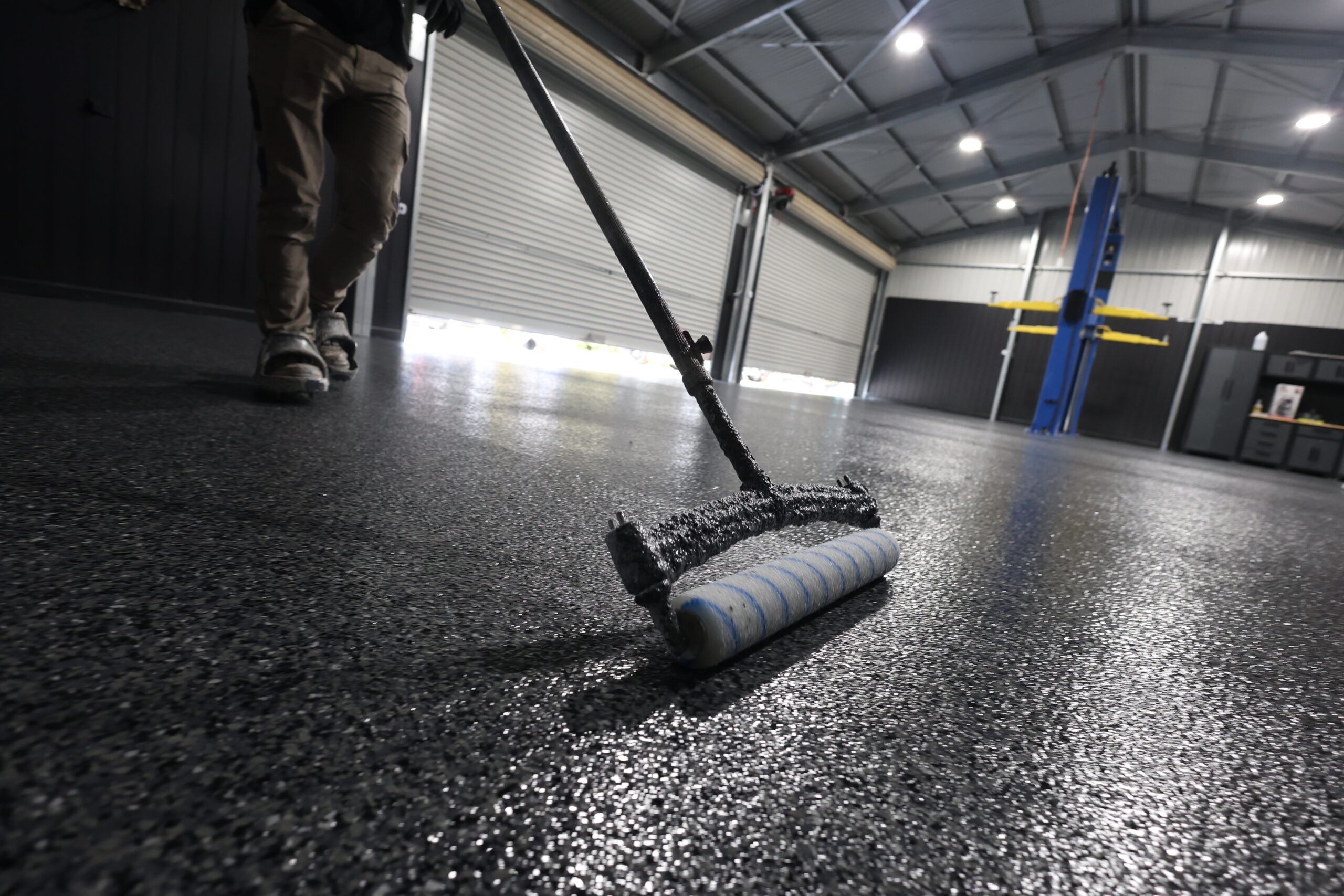
If you choose professional installation, you’re getting expertise, proper equipment, quality materials, efficient workflow, and warranty protection. You’re also getting peace of mind that the job is done right the first time.
Surface Rescue has built their reputation on straightforward, quality workmanship across Adelaide. No shortcuts, no fluff. Just durable, well-installed epoxy floors that handle real life: tyre marks, spills, and daily use without falling apart.
Ready for a Floor That Lasts?
Thinking about transforming your garage? Whether you’re still weighing up DIY or ready to invest in professional installation, Surface Rescue can help you understand your options.
Get in touch for a straightforward assessment of your space and a clear explanation of what’s involved. No pressure, no runaround, just honest advice from Adelaide’s trusted epoxy flooring specialists.
Frequently Asked Questions
1. Can I epoxy my garage floor myself?
Yes, DIY epoxy kits are available, but achieving long-lasting results can be challenging. Proper surface preparation, moisture testing, and correct application are critical. Without professional equipment and experience, DIY epoxy floors may peel, bubble, or wear out quickly.
2. What are the risks of DIY epoxy garage floor installation?
Common DIY issues include poor adhesion, uneven finishes, slippery surfaces, and premature cracking. Inadequate concrete preparation or incorrect mixing can significantly reduce the lifespan of the epoxy coating.
3. Why choose professional epoxy installation instead?
Professional installers use industrial-grade materials, advanced surface preparation methods, and proven installation techniques. This ensures stronger adhesion, a smoother finish, faster curing times, and a durable garage floor designed to handle heavy use for years to come.